Transit Goods Ban at Aflao Lifeline for Local Industry – FABAG
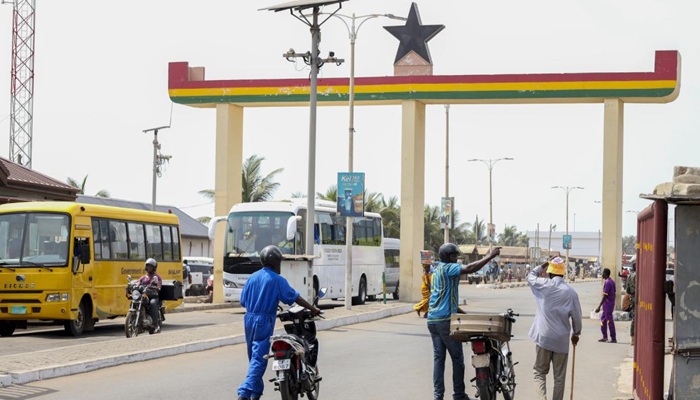
The Food and Beverages Association of Ghana (FABAG) has described the government’s decision to ban selected transit goods through the Aflao border as a major boost for domestic manufacturers, calling it a lifeline for Ghana’s struggling local industry.
In a statement issued on Monday, the Association commended the Government of Ghana and the Ghana Revenue Authority (GRA) for what it characterised as a bold and timely intervention aimed at restoring order within the country’s trade and border management systems.
According to FABAG, the directive prohibiting the entry of selected transit goods through the Aflao border represents a significant step toward safeguarding local industries, protecting government revenue and strengthening regulatory oversight at one of Ghana’s key land entry points.
The Association noted that for years, the influx of transit goods through land borders has posed serious challenges to legitimate businesses operating within the formal sector. It argued that the practice has undermined local manufacturing capacity, distorted fair market competition and disrupted the import ecosystem, particularly in the food and beverages sector.
FABAG indicated that unregulated inflows of goods have had severe implications for local producers, many of whom are already grappling with high production costs. The situation, it said, has allowed some traders to exploit loopholes, resulting in unfair competition and revenue leakages.
While welcoming the enforcement action at Aflao, the Association cautioned that restricting the directive to a single border post could weaken its intended impact. It warned that affected consignments may simply be rerouted through other land borders, thereby defeating the objective of the policy.
FABAG therefore urged authorities to extend the directive to all land borders across the country without exception. In addition, it recommended that the scope of the measure be expanded beyond transit goods to include a complete ban on the entry of the affected products through land borders, whether designated for transit or domestic consumption.
According to the Association, a partial restriction risks creating loopholes that could be exploited for smuggling, under-declaration and other illicit trade practices. A comprehensive, nationwide enforcement regime, it argued, would better protect local industries and jobs, promote fair trade and competitive neutrality, enhance revenue mobilisation and strengthen border security.
FABAG stressed that Ghana’s manufacturing and formal trading sectors continue to operate under significant cost pressures, including high tariffs, taxes, logistics expenses and regulatory compliance burdens. Allowing uncontrolled inflows through porous borders, it warned, places compliant businesses at a competitive disadvantage and threatens the sustainability of domestic production.
The Association called on all relevant state agencies, including Customs officials, border security authorities and regulatory institutions, to collaborate closely to ensure strict and consistent enforcement of the directive nationwide.
Reaffirming its support for efforts to sanitise the trading environment, FABAG pledged continued constructive engagement with policymakers to advance policies that promote local industry growth, revenue protection and long-term economic resilience.