

Oil Prices Slips to $68.2 per Barrel
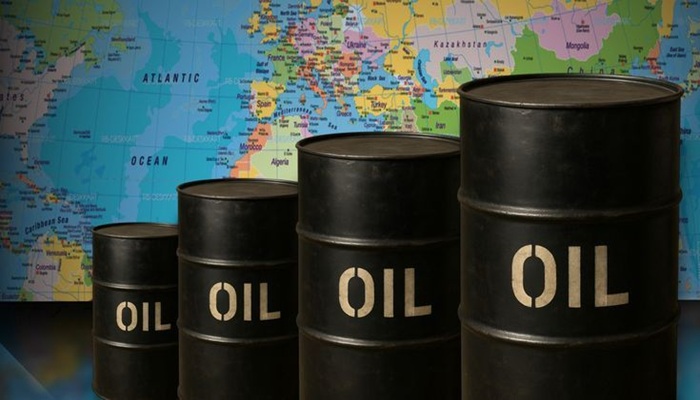
Brent crude prices edged lower on Tuesday, slipping to $68.2 per barrel after posting a 1.4% gain in the previous session, as global oil markets grappled with the competing forces of rising geopolitical tensions and expectations of increased supply.
The recent price movements reflect a market caught between uncertainty and fundamentals. Earlier gains had been driven by escalating tensions between the United States and Iran ahead of a fresh round of nuclear negotiations. Concerns intensified after Tehran conducted a maritime drill in the Strait of Hormuz, a critical global oil transit route through which a significant portion of the world’s crude supply passes.
The situation was further heightened by Washington’s deployment of an additional aircraft carrier to the region, signalling increased military readiness. These developments have raised fears of potential disruptions to oil shipments, a factor that typically lends support to prices in the short term.
At the same time, diplomatic signals suggest a possible easing of tensions. Iranian officials have indicated a willingness to scale back highly enriched uranium stockpiles in exchange for the removal of economic sanctions. Should negotiations yield progress, it could open the door for more Iranian crude to re-enter global markets, adding to supply and exerting downward pressure on prices.
Geopolitical uncertainty is not limited to the Middle East. Ongoing developments in the Russia-Ukraine conflict continue to influence market sentiment. Although fresh talks are expected, traders remain sceptical about the likelihood of a swift resolution, given the persistence of hostilities.
Beyond geopolitics, supply-side dynamics are increasingly shaping market direction. The OPEC+ alliance is reportedly considering a gradual increase in output from April, a move that could further loosen market conditions. This comes at a time when inventories are building and global demand growth shows signs of moderating.
The interplay between these opposing forces, geopolitical risks on one hand and supply expansion on the other has left oil markets finely balanced. While tensions provide intermittent support, the prospect of additional barrels entering the market is limiting sustained price gains.
Analysts say the near-term outlook for oil will depend heavily on the outcome of U.S.-Iran negotiations, OPEC+ production decisions, and broader global economic signals. Until clearer direction emerges, volatility is expected to persist, with prices likely to respond sharply to both political developments and supply adjustments in the weeks ahead.



