Higher Crude, Weaker Cedi Push Fuel Prices Up in Second February Window – COPEC
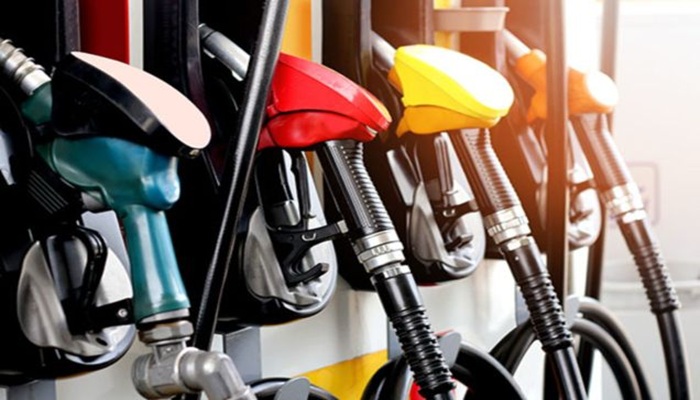
Businesses and households should prepare for higher fuel costs in the second pricing window of February 2026, as rising international petroleum prices and a marginal depreciation of the cedi drive projected increases at the pumps.
The Chamber of Petroleum Consumers (COPEC) has indicated that petrol, diesel and liquefied petroleum gas (LPG) are all expected to record upward adjustments nationwide.
In a statement dated 13 February 2026, the Chamber projected that petrol could rise by around 5 to 6 per cent, while diesel and LPG may increase by approximately 6 per cent across various filling stations.
Crude and currency pressures
Global crude oil prices climbed by about 4.8 per cent during the pricing window, rising from US$67.4 per barrel to US$70.64 per barrel. Over the same period, the cedi depreciated by roughly 1.04 per cent against the US dollar, weakening from an average interbank rate of GH¢10.98415 to GH¢11.0990 at the close of the window.
The combined effect of higher international product prices and exchange rate pressures is expected to translate into increased retail pump prices in the coming window.
Petrol may approach GH¢12.77 per litre
According to COPEC’s breakdown, the international Free On Board (FOB) price of petrol rose from US$626.36 per metric tonne to US$652.64 per metric tonne, representing a 4.1 per cent increase. Together with the currency depreciation, this is projected to result in a 6.8 per cent rise in the retail price of petrol.
Petrol is therefore expected to sell between GH¢11.56 and GH¢12.77 per litre, within a ±5 per cent range of COPEC’s projection.
Diesel could hit GH¢14.07 per litre
Diesel prices are also set for a significant upward adjustment. The international FOB price increased from US$659.25 per metric tonne to US$695.94 per metric tonne — a 5.57 per cent rise.
Factoring in the cedi’s depreciation, COPEC projects a 6.5 per cent increase in diesel pump prices. Retail prices are expected to range between GH¢12.73 and GH¢14.07 per litre, within a ±5 per cent margin.
Given diesel’s central role in transport, construction, agriculture and manufacturing, the projected increase may have broader implications for distribution costs and industrial activity.
LPG to average GH¢11.4 per kilogram
LPG is likewise expected to see an upward revision. The international FOB price rose from US$476.3 per metric tonne to US$508.77 per metric tonne — a 6.8 per cent increase.
With the added impact of currency depreciation, the projected average retail price of LPG is expected to be around GH¢11.4 per kilogram. Within a ±5 per cent margin, LPG could sell between GH¢10.8 and GH¢11.97 per kilogram.
Call for margin moderation
In concluding its statement, COPEC expressed the expectation that Oil Marketing Companies would absorb part of the increases by reducing portions of their margins, in order not to overburden consumers with the anticipated adjustments.
If implemented, the projected hikes could place renewed pressure on transport fares, logistics costs and household energy expenditure, with businesses likely to monitor developments closely as the new pricing window takes effect.