

Cocoa Payment Crisis — Who Bears the Loss When Ghana’s Backbone Goes Unpaid?
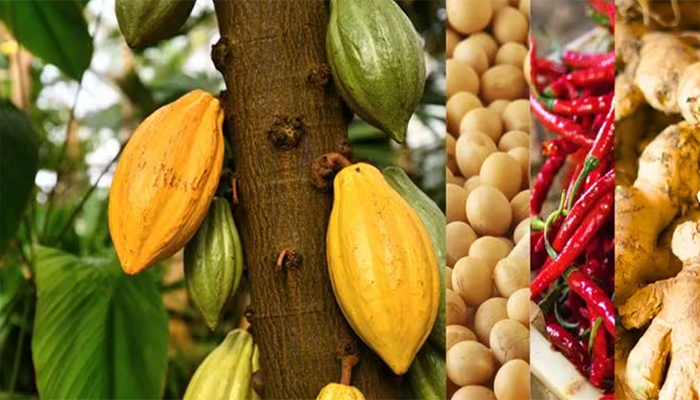
Ghana’s cocoa sector, once the envy of West Africa and the backbone of the nation’s agricultural exports, is today mired in a crisis that goes far beyond farm‑gate prices and global markets. At the heart of this turmoil are thousands of cocoa farmers who have not been paid for produce delivered months ago, igniting anger, threatening livelihoods, and posing a grave question: who ultimately bears the loss when Ghana’s economic crown jewel falters?
For generations, cocoa has been one of Ghana’s most strategic export crops, a mainstay of foreign exchange earnings and rural employment. Alongside gold and oil, cocoa has powered balance‑of‑payments stability, supported ancillary industries such as transport and agro‑inputs, and underpinned the livelihoods of some 800,000 farm families across the cocoa belt. Yet despite this centrality, the framework that translates global cocoa revenues into timely income for farmers is broken and in urgent need of repair.
Today’s headlines are stark. Many cocoa farmers have gone unpaid for cocoa beans supplied since late 2025, some for more than three months, leaving them unable to meet basic needs. Parliamentarians have bluntly reminded the nation that “cocoa farmers are not beggars” and must be paid promptly for their labour. Meanwhile, cocoa bean stocks have piled up unsold at port, quality is deteriorating, and Licensed Buying Companies (LBCs) that pre‑financed purchases now face crippling cash‑flow constraints.
To understand the gravity of this crisis, we must look beyond the headlines to the structural fault lines afflicting the sector. The Ghana Cocoa Board (COCOBOD), which coordinates purchases and sales, is under immense financial strain with estimated liabilities exceeding GH¢32 billion, a burden inherited and deepened by years of mismanagement, debt, and reliance on syndicated loans.
Compounding this, a revamped financing model introduced in recent seasons shifted pre‑financing responsibility from COCOBOD to international traders and LBCs, a shift that has backfired amid weak global cocoa prices and reluctance by traders to provide the required upfront cash. This left LBCs holding the short end of the stick, unable to pay farmers on time and forced to borrow at high interest, further squeezing fragile profit margins.
The Ghana Cocoa Board is now trying to walk back the crisis by reimbursing LBCs to enable them to settle farmer arrears. Officials reassure stakeholders that payments are underway and a new financing model is being designed to prevent recurrence. But farmers remain sceptical and impatient, and understandably so. For many, cocoa is not just a cash crop; it is their livelihood. When payments are delayed, real human costs ensue: inability to pay school fees, fund healthcare, purchase inputs for the next season, or support families during lean periods.
Who, then, bears the loss? The immediate answer is the farmers, the men and women whose daily toil produces the very beans that fetch global dollars. Their pain highlights a stark paradox: Ghana’s national cocoa export figures may look respectable on balance‑of‑payments sheets, but those figures mean little if the wealth they represent never reaches the hands of the producers. When farmers are squeezed, rural economies suffer, productivity declines, and younger generations are deterred from staying in cocoa farming, risking a long‑term decline in output that would harm the entire economy.
However, the loss is not borne by farmers alone. Licensed Buying Companies, essential intermediaries in the value chain, have been pushed into debt and operational paralysis. Cocoa stocks rot in poor conditions, risking depreciation and undermining Ghana’s reputation for quality beans. Smuggling risks rise as frustrated farmers consider selling across borders where prices are perceived to be better, a phenomenon already observed in recent seasons.
At the macro level, the nation stands to lose too. Cocoa export revenues sustain public finances and support social programmes. If the value chain collapses, export earnings could slump, foreign exchange pressures could worsen, and rural poverty could deepen, feeding political instability and social discontent.
Addressing this crisis demands more than temporary assurances. Ghana needs a transparent, sustainable financing model for the cocoa sector that ensures value flows from global markets to the farm gate without debilitating delays. Payment systems must be ring‑fenced, financing arrangements predictable, and governance strengthened to minimise mismanagement. Equally, farmgate pricing should be responsive to global realities and domestic production costs so that farmers are neither cheated by market volatility nor left to shoulder systemic risk alone.
Cocoa is too vital to Ghana’s economy, too central to its rural livelihoods, and too embedded in its national identity to be allowed to unravel. If the nation fails to pay its farmers on time, it risks something far more costly than temporary debt, it risks eroding the very foundation of an industry that has sustained Ghana for generations.



