Low SME Export Levels Threaten Africa’s Growth – Veep
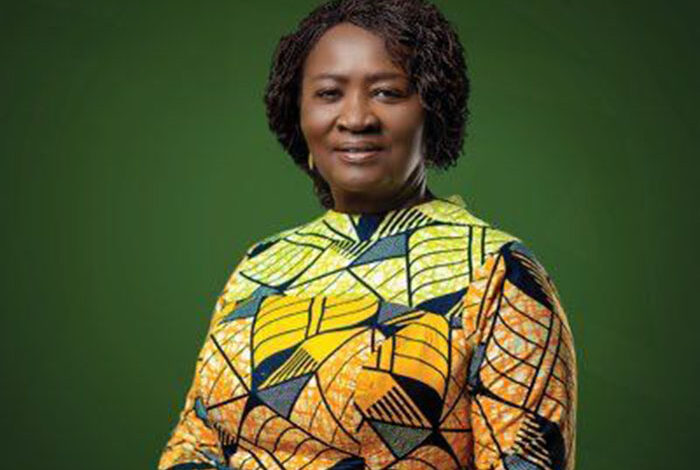
Africa’s push for stronger regional integration and industrial growth is being held back by the low participation of small and medium-sized enterprises (SMEs) in export trade. Ghana’s Vice President, Professor Naana Jane Opoku-Agyemang, has described the situation as worrying, noting that only about 20 percent of SMEs across the continent are engaged in cross-border trade.
Speaking at the opening of the African Prosperity Dialogues 2026 in Accra on Wednesday, February 4, the Vice President said the limited involvement of women and young people in export activities is particularly troubling. She explained that although women and youth are driving innovation, entrepreneurship, and the digital economy, their contribution is not reflected in cross-border trade.
Professor Opoku-Agyemang pointed to several barriers that prevent SMEs from exporting. These include lack of affordable financing, weak market linkages, regulatory challenges, and poor institutional support systems. She stressed that these obstacles make it difficult for businesses to grow beyond their domestic markets.
She warned that the low export participation rate has serious economic consequences. It reinforces Africa’s dependence on raw material exports, limits value addition, and reduces job creation opportunities. “Our youth account for more than 60 percent of our population. They are driving technology and innovation from fintech to creative industries. Yet fewer than 20 percent of SMEs engage in export trade,” she said.
The Vice President also highlighted the challenges faced by women entrepreneurs, who continue to struggle with unequal access to finance, mobility, and market opportunities. Many young innovators, she added, lack the capital, skills, and institutional support needed to expand across borders.
According to her, these gaps risk locking African economies into low-productivity growth models, where countries export raw materials, import finished goods, and lose skilled talent to migration. She cautioned that without targeted reforms, Africa may fail to fully benefit from the African Continental Free Trade Area (AfCFTA), which was created to boost intra-African trade and industrialisation.
Professor Opoku-Agyemang called for deliberate action to improve access to finance, build export readiness among SMEs, reduce non-tariff barriers, and strengthen regional trade infrastructure. She emphasized that special attention must be given to women- and youth-led enterprises.