Stonebwoy Backs Proposed Renaming of Kotoka Airport
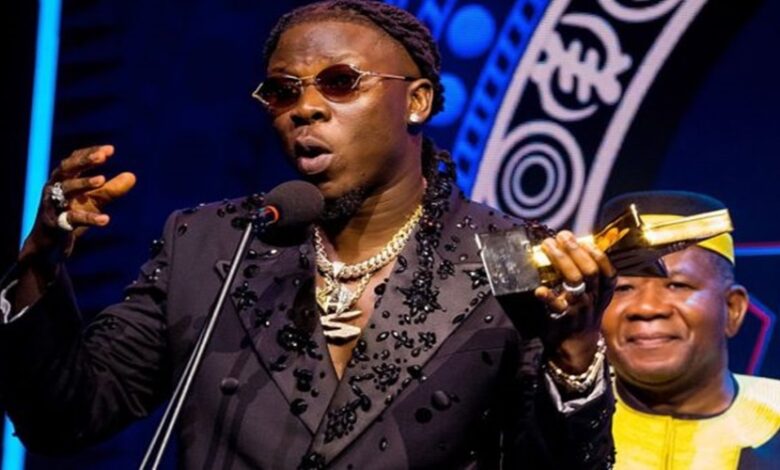
Award-winning Ghanaian musician Stonebwoy has weighed in on the growing debate over calls by the Majority in Parliament to rename Kotoka International Airport, saying he would support the move only if it is driven by clear national interest and delivers tangible benefits to the country.
Speaking in an interview, the artiste stressed that any decision to rename Ghana’s main international gateway must go beyond symbolism and be rooted in unity, progress and a compelling national narrative. He recalled that the facility was originally known as Accra International Airport and suggested that a return to that name could be acceptable under the right circumstances.
“If it is something that is going to project us better as a nation and unite us, then why not? We should be looking at what benefits Ghana and how it positions us in the global space,” Stonebwoy said.
The debate over the airport’s name has intensified in recent weeks, with supporters of the change arguing that General Emmanuel Kotoka, after whom the airport is currently named, represents a controversial chapter in Ghana’s political history. Kotoka was a key figure in the 1966 coup that overthrew Ghana’s first President, Dr. Kwame Nkrumah.
Stonebwoy acknowledged the historical weight of these arguments, noting that the issue is deeply personal and national at the same time. He pointed out that Kotoka’s story is also linked to his hometown, Alakple, and to broader conversations about how Ghana remembers its past.
“There is a historical narrative attached to this, and that is why people are questioning whether General Kotoka is the best symbol for the state. Those are valid conversations to have,” he explained.
However, the musician cautioned against oversimplifying history or making changes without fully examining their implications. He argued that Kotoka’s legacy should be assessed in its entirety, including the reasons the airport was named after him in the first place.
“We must also ask why the name was given in the first place. There may have been positive intentions or reasons that we shouldn’t just brush aside,” Stonebwoy said.
In his view, any renaming should be guided by thoughtful reflection rather than emotion or political pressure. “If we are going to change the name, it must be for a strong, constructive reason, one that strengthens Ghana’s image and helps tell a better story about who we are as a people,” he added.
Stonebwoy’s comments add a cultural voice to a debate that continues to divide public opinion, highlighting the need for balance between historical accountability and national cohesion.