Veep Urges Inter-Ministerial Action on Child Streetism
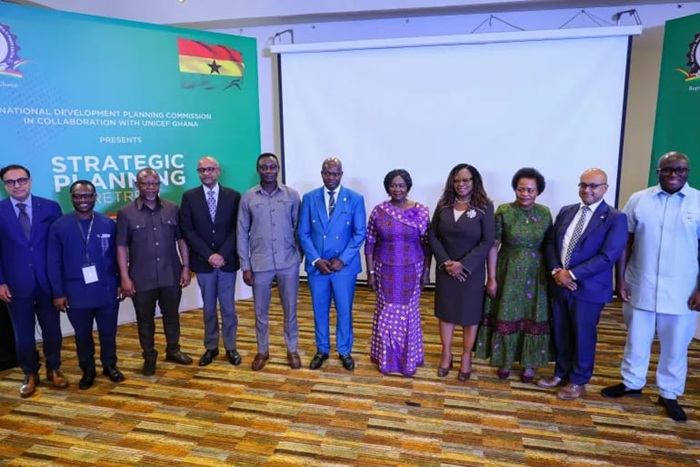
Vice President Professor Naana Jane Opoku-Agyemang has called for the immediate establishment of an inter-ministerial committee to confront the rising number of children living and working on the streets across the country, describing the situation as a threat to Ghana’s development and future growth.
She stressed the need for a coordinated national response that places children’s welfare at the centre of Ghana’s development agenda, while ensuring that affected children are returned to school and supported to become responsible adults. “We must prioritise the welfare of our children in every aspect of national planning if we are to secure a better future for the country,” she said.
According to the Vice President, more than 60,000 children are currently living and working on the streets, many of whom have dropped out of school and remain unregistered at birth. She called on ministries, departments and agencies, legal aid institutions and civil society organisations to put in place “robust and practical mechanisms” to remove children from the streets and reintegrate them into society.
Professor Opoku-Agyemang made the call at a three-day Strategic Planning Retreat (SPR) focused on seven priority areas critical to child well-being. The areas include reducing child-centred deaths, eliminating stunting, anaemia and open defecation, improving literacy and numeracy, ending child marriage and reducing adolescent pregnancy, as well as ensuring that every child is counted. The retreat was held under the theme, “Planning Together for a Better Future for Children and Adolescents in Ghana.”
She acknowledged progress made in child health and education, noting that Ghana has achieved between 95 and 97 per cent vaccination coverage within the first year of a child’s life. “While this is commendable, we must work together to reach the remaining three per cent of children who are still not vaccinated,” she urged.
The Vice President also observed improvements in school enrolment and completion rates and a decline in child marriage in some areas, but warned that significant challenges remain. “Over 60,000 children are living and working on our streets. Child poverty continues to undermine health, learning and protection, and exposes children to violence and exploitation,” she said.
She cautioned that these issues threaten Ghana’s demographic dividend and inclusive growth aspirations. United Nations Resident Coordinator, Mr Zia Choudhury, commended Ghana’s commitment to child-focused planning, while NDPC Director-General, Dr Audrey Smock Amoah, underscored the urgency of addressing child marriage and adolescent pregnancy.