

Rwanda Sues UK Over Cancelled Asylum Deal
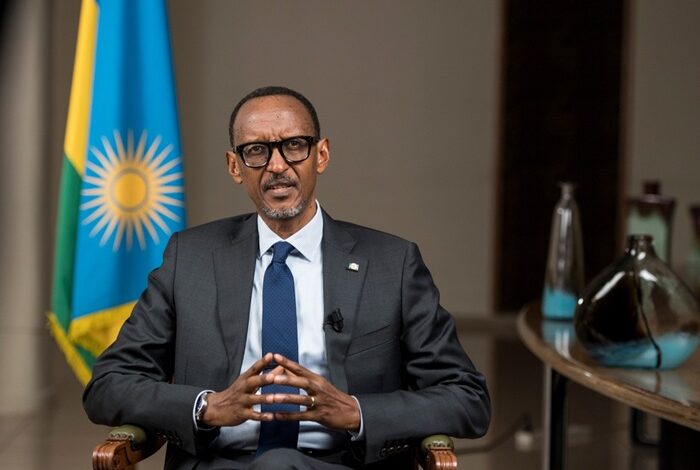
Rwanda has filed an arbitration case against the United Kingdom, claiming it is owed more than 130 million dollars following the cancellation of a controversial asylum scheme. The East African nation submitted its case to the Permanent Court of Arbitration in The Hague, arguing that Britain breached the terms of the “migration partnership” signed in 2022.
Under the deal, London agreed to pay Kigali to host asylum seekers and migrants who had entered the UK illegally. The arrangement was introduced by the Conservative government but faced widespread criticism and legal challenges. In 2024, Prime Minister Keir Starmer scrapped the plan shortly after taking office, citing concerns about its legality and effectiveness. Rwanda says it had agreed to forgo further payments if the treaty was terminated and new financial terms were negotiated. However, according to its filing, those discussions never took place, leaving Kigali with unpaid obligations.
The Rwandan government also accuses Britain of failing to honor a promise to resettle vulnerable refugees with complex needs who were already being hosted in the country. Officials argue that the UK’s withdrawal undermines Rwanda’s efforts to provide humanitarian support and places additional strain on its resources.
Before its cancellation, the asylum treaty had been challenged in UK courts. The Supreme Court ruled that Rwanda was not a safe destination for asylum seekers, saying that transferring migrants there would breach both domestic and international law. The ruling dealt a major blow to the policy, which had been championed by the previous government as a deterrent against illegal migration.
The arbitration case now adds a new dimension to the fallout from the scrapped deal. Analysts say the dispute could test relations between London and Kigali, especially as Rwanda insists it upheld its side of the agreement. For Britain, the case highlights the financial and diplomatic consequences of reversing controversial policies.
As the arbitration process unfolds, the outcome will determine whether Rwanda receives compensation for what it considers a breach of contract. The case also underscores the broader challenges governments face in balancing migration control with international law and humanitarian obligations.
With elections and economic pressures shaping both countries’ agendas, the dispute over the asylum scheme is likely to remain a focal point in discussions about migration, aid, and international partnerships.



