UN Launches $852 Million Aid Plan for Somalia
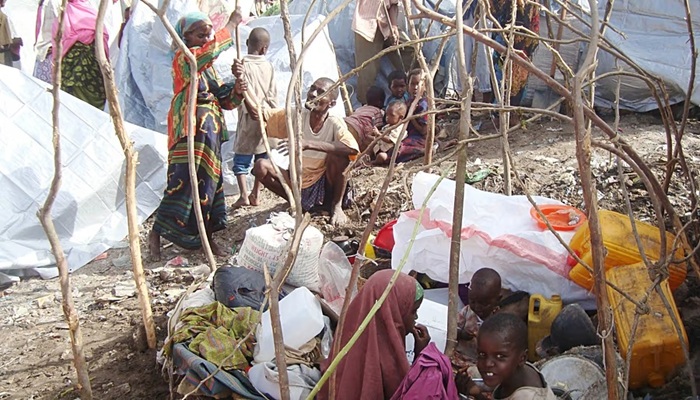
The United Nations has announced a $852 million Humanitarian Needs and Response Plan for Somalia, aimed at supporting 2.4 million people in 2026. UN Spokesperson Stéphane Dujarric explained that the funding is 40 percent lower than last year due to limited resources, not reduced needs. He warned that less than half of those requiring aid will be reached, leaving “significant gaps in essential services.”
Dujarric emphasized that without urgent and scaled up assistance, Somalia faces worsening conditions. Prolonged drought, livelihood collapse, displacement, disease outbreaks, and reduced humanitarian aid are expected to intensify food insecurity, water shortages, and health risks. He noted that in 2025, the plan was funded at only 27 percent, forcing humanitarian organizations to cut or suspend life saving assistance.
The announcement comes amid political tensions following Israel’s recognition of Somaliland as an independent state in December 2025. Somaliland, a former British protectorate, declared independence in 1991 but had not been recognized by any UN member state until Israel’s move. The recognition sparked protests in Somalia, with hundreds of demonstrators waving Somali flags and chanting patriotic songs to show national unity.
Somalia’s President Hassan Sheikh Mohamud warned that the dispute over Somaliland could undermine political stability, economic recovery, and development if not carefully managed. He stressed the importance of national unity at a time when the country is already struggling with overlapping crises.
The UN’s reduced funding highlights the growing challenge of meeting humanitarian needs in Somalia amid political tensions and worsening climate impacts. While the new plan seeks to prioritize the most urgent cases, many will remain without access to food, water, and healthcare. The situation underscores the need for international solidarity and sustained investment to prevent further deterioration in one of Africa’s most fragile states.
At the same time, humanitarian experts argue that long term resilience strategies, including investment in climate adaptation, infrastructure, and governance reforms, are essential to reduce Somalia’s dependence on emergency aid and to build a more stable future for its people.