

New District Mining Committees to Strengthen Oversight, Combat Illegal Mining
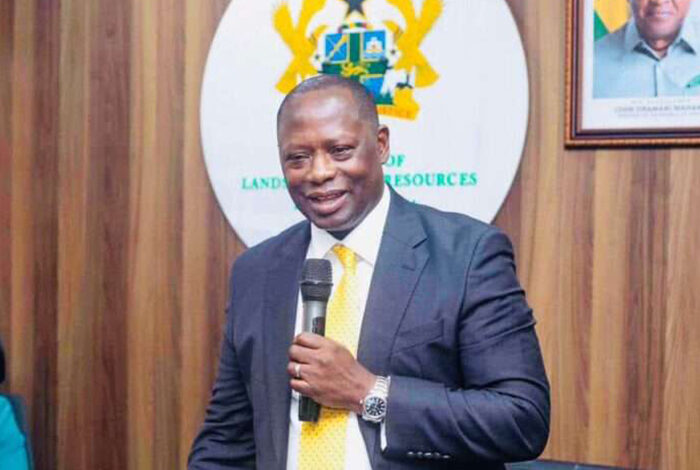
The Ministry of Lands and Natural Resources has announced the establishment of District Mining Committees as part of sweeping reforms to Ghana’s mining laws. Minister Emmanuel Armah Kofi Buah says the new framework is designed to decentralize oversight, strengthen regulation, and curb illegal mining activities that have long plagued the sector.
Under the revised Mining Act, Act 703, mining companies will now undergo initial assessments at the district level. These committees, made up of local authorities and traditional leaders, will review applications and make recommendations before licences are forwarded to Accra for final approval by the Minerals Commission and the Environmental Protection Authority.
Minister Buah explained that the approach is intended to give communities a stronger voice in decisions that directly affect their environment and livelihoods. “Before people in Accra give a licence, that authority must start from the district, from the traditional authorities, from the local place where the mining is going to take place,” he said. “The District Mining Committees will make recommendations, and when that recommendation comes to the Minerals Commission, that is when the licence is going to be issued.”
The Minister emphasized that this decentralised model is critical in the fight against illegal mining, popularly known as galamsey. By involving local stakeholders, the government hopes to ensure that mining activities are conducted responsibly, with greater transparency and accountability. He noted that the reforms represent a paradigm shift in how Ghana manages its mineral resources, moving toward sustainable practices that balance economic growth with environmental protection.
The announcement was made on Tuesday, January 27, during a visit by Vice President Jane Naana Opoku-Agyemang, who underscored the government’s commitment to tackling unlawful mining practices. The Vice President highlighted the devastating impact of illegal mining on water bodies, farmlands, and communities, stressing that the new committees will play a vital role in safeguarding Ghana’s natural resources for future generations.
The overhaul of the mining law also signals Ghana’s determination to modernize its regulatory framework in line with international best practices. Officials believe that empowering districts to take the lead in licensing decisions will not only deter illegal operators but also foster stronger collaboration between government, communities, and legitimate mining companies.
With the new District Mining Committees, the Ministry of Lands and Natural Resources hopes to usher in a new era of responsible mining, ensuring that Ghana’s mineral wealth contributes to sustainable development rather than environmental destruction.



