

Sudan’s Crisis Nears Third Year as Millions Face Famine and Neglect
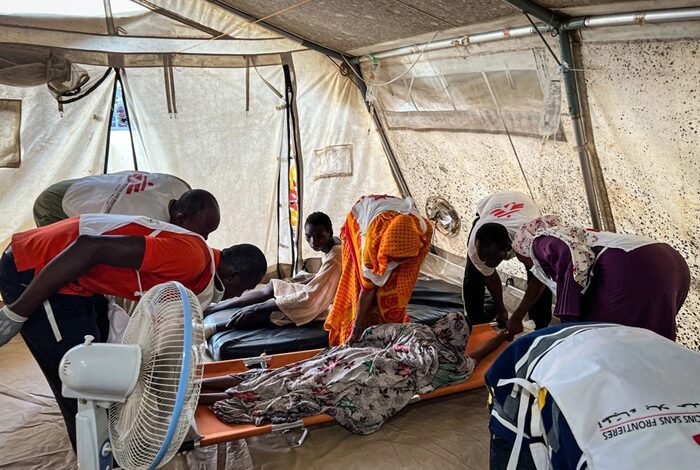
As Sudan’s devastating conflict approaches its third year, humanitarian leaders are warning that the world’s largest displacement crisis is being dangerously overlooked. Millions of Sudanese face famine, disease, and the collapse of livelihoods, yet international attention remains focused elsewhere.
At the World Economic Forum in Davos, David Miliband, President of the International Rescue Committee, described the war as emblematic of global failure. He called Sudan “an avatar for the new world disorder,” pointing to the internationalization of the conflict and its grim distinction of causing more civilian deaths than combatant fatalities. With 33 million people in urgent need of assistance, Sudan tops the IRC’s emergency watchlist.
Echoing this sense of abandonment, Hanin Ahmed, head of the Sudanese grassroots aid network Emergency Response Rooms, condemned the lack of global action. “Sudan is the neglected issue… completely neglected,” she said, stressing that the war is not a civil conflict but a power struggle between rival leaders, worsened by foreign interference. Ahmed described widespread deterioration across the country, including areas outside the control of the paramilitary Rapid Support Forces (RSF), where food insecurity, disease outbreaks, and economic collapse are rampant.
The conflict, which erupted in April 2023 between the Sudanese Armed Forces and the RSF, has created a catastrophic humanitarian landscape. Recent fighting displaced more than 8,000 people, adding to millions already uprooted. Both sides have been accused of committing war crimes, further deepening the crisis.
A rare glimmer of hope emerged last week when aid reached the besieged city of el-Fasher in North Darfur for the first time. However, humanitarian groups caution that the scale of need far exceeds the limited supplies delivered.
Diplomats insist that a negotiated peace remains possible, pointing to the breakthrough in el-Fasher as evidence that progress can be made. Yet aid leaders argue that humanitarian assistance alone is not enough. Ahmed urged the international community to “stop the bad influence of this war,” calling for sustained political engagement and pressure to silence the guns.
For Miliband, Sudan’s plight is not only a humanitarian emergency but also a defining symbol of global disorder. Without urgent action, he warned, the crisis risks spiraling further, leaving millions trapped in a neglected war that continues to devastate lives and destabilize the region.



