Cedi’s 2025 Rally, a Shared National Achievement – BoG
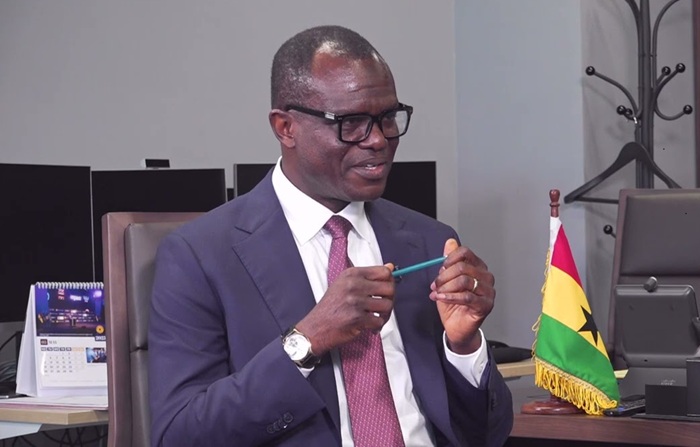
By Praisebell Rosemond Larbi
The First Deputy Governor of the Bank of Ghana (BoG), Dr. Zakari Mumuni, has described the Ghana cedi’s strong performance in 2025 as a shared national achievement, stressing that its stability should not be attributed to the central bank alone.
According to Dr. Mumuni, the cedi’s record performance reflects collective effort and discipline across the economy, making its protection a shared responsibility among policymakers, businesses, households, and the media.
“Protecting the cedi is not the task of one institution, but a collective responsibility of policymakers, businesses, households, and yes, the media,” he said.
Dr. Mumuni made the remarks while delivering a speech on reporting on the operations of the Bank of Ghana and their impact on financial markets, as part of the Governor’s New Year Media Engagement.
He noted that the cedi ended 2025 significantly stronger, underpinned by improved economic fundamentals, disciplined policy choices, and growing confidence in the overall policy framework.
“And just as instability hurts everyone, stability benefits everyone,” he added.
The First Deputy Governor commended the media for its role during the Cedi@60 campaign, noting that responsible and balanced coverage during the period demonstrated the positive influence of the media in shaping public behaviour and national ownership of the currency.
“By reinforcing responsible currency handling and national ownership of the cedi, your reporting helped turn policy into public action,” he said.
However, Dr. Mumuni cautioned against sensational reporting, warning that exaggerated headlines and incomplete context can amplify public anxiety and distort understanding of economic developments. He emphasised that responsible journalism plays a critical role in anchoring expectations and strengthening confidence in the economy.
“This is not about silencing criticism, it is about recognising that in macroeconomics, perception often precedes reality,” he said.
On the performance of the currency, Dr. Mumuni noted that the cedi appreciated by more than 40 per cent against the US dollar in 2025, making it one of the best-performing currencies in Africa during the year. Market analysts, he observed, have largely attributed the gains to decisive policy measures implemented by the Bank of Ghana to stabilise the foreign exchange market and restore confidence.
Touching on reports about central bank losses, Dr. Mumuni urged the media to provide adequate context, noting that such outcomes are not unusual globally, particularly during periods of economic crisis.
“Central banks across the world can incur losses while taking decisive actions to stabilise their economies, stressing that such losses reflect policy choices made in the public interest rather than financial recklessness,” he said.
“These outcomes reflect policy choices made in the public interest, not financial recklessness,” he emphasised, warning that failure to explain this distinction could erode public trust.
He added that the broader policy outcomes should remain the focus of public discourse.
“The thrust of policy must not be lost; inflation fell sharply, reserves were rebuilt, and the cedi strengthened,” Dr. Mumuni noted.
He concluded by reiterating the importance of collaboration, transparency, and responsible communication in sustaining macroeconomic stability and protecting the gains achieved in 2025.