

Job Creation Is the Surest Path to Improving Incomes — Economist
By: Solomon Nartey Tetteh
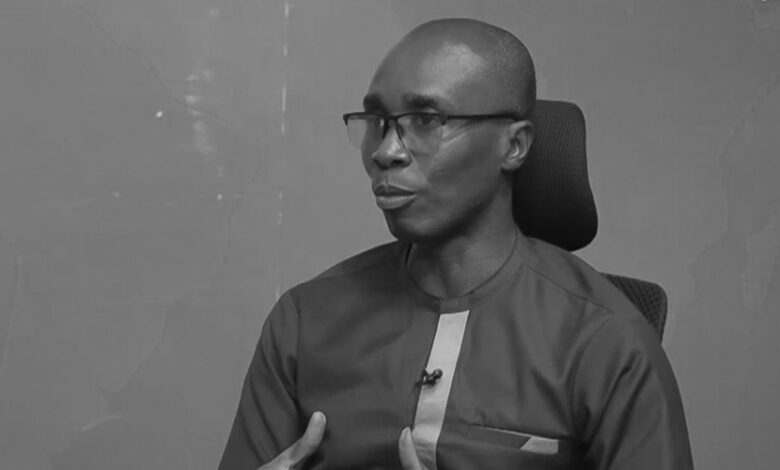
Economist and lecturer at the University of Ghana, Professor Patrick Opoku Asuming, noted that the most reliable way to improve the living conditions of Ghanaians is through job creation and income growth, not government handouts.
Speaking on the Business Breakfast on Zed 101.9 FM, Professor Asuming noted that while recent tax adjustments may marginally increase disposable income, long-term improvement will only come from a vibrant economy that supports business expansion and employment.
“The surest way of putting money in people’s pockets is creating jobs and people generating incomes. We don’t want a situation where government is simply handing out freebies. That is not sustainable,” he said.
He acknowledged, however, that there are vulnerable groups who require government support. He welcomed indications that allocations for beneficiaries of the Livelihood Empowerment Against Poverty (LEAP) program may increase, describing it as a positive step.
“What we want is an environment where people are creating businesses, producing and generating income. That is a more sustainable way of boosting household finances than one-off transfers,” he stressed.
Professor Asuming urged Ghanaians to see the COVID-related tax reliefs and other one-time supports as temporary measures tied to political commitments, not long-term entitlements.
“Subsequently, you are not going to get any more free pay,” he noted.
He also pointed out that adjustments to new taxes are expected, especially after the Finance Minister announced reforms beyond the VAT restructuring. According to him, reforms to income tax and other major tax instruments are planned from 2027 onwards.
“The finance minister says they are going to reform the income tax regime and other core tax handles,” he said. “It raises the possibility that some people’s rates might go up.”
Professor Asuming said he is encouraged by the prospect of income tax reforms, noting that a more efficient tax system combined with job creation will be key to strengthening economic growth and improving livelihoods.
He also stressed the urgent need for enhanced tax compliance and enforcement to improve Ghana’s revenue performance, noting that the country’s tax system has significant potential that remains largely untapped.
Professor Asuming explained that international institutions often assess Ghana’s revenue capacity by analysing tax laws, rates and other economic indicators before projecting what the country should be generating. However, Ghana consistently underperforms, especially in Value Added Tax (VAT) mobilisation.
He welcomed the Finance Minister’s plan to leverage technology, digital platforms and artificial intelligence to improve tax compliance, saying the approach is long overdue. According to him, improving VAT compliance alone could yield far more revenue than introducing new taxes, which have historically underperformed.
“We’ve seen how the new tax measures introduced by the previous administration failed to meet expectations. This shows that the focus now should be on tightening compliance and reducing the numerous tax exemptions,” he added.
Professor Asuming described the Finance Minister’s fiscal strategy as “sensible,” noting that it targets low-hanging fruit that could significantly strengthen national revenue.



