Rural Banking Must Deepen Financial Participation – Telecel Ghana SME Head
By Praisebell Rosemond Larbi
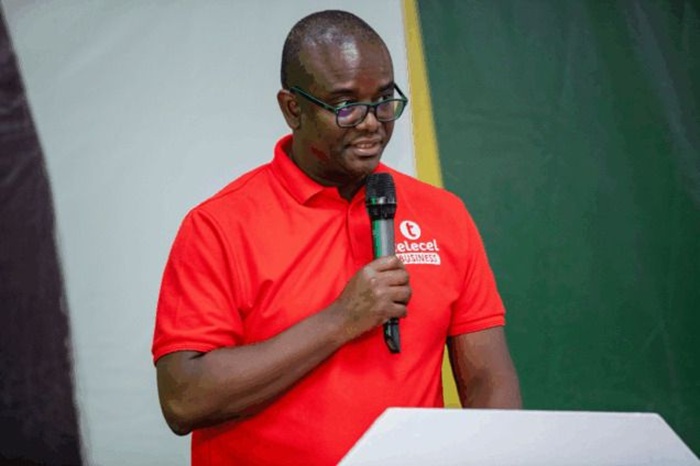
The Head of Small and Medium Enterprises (SME) at Telecel Ghana, Alfred Neizer, has called for a renewed national effort to convert Ghana’s impressive gains in rural financial access into deeper and more meaningful financial participation.
While commending the critical role Rural and Community Banks (RCBs) have played in extending banking services to underserved communities, Mr Neizer stressed that access alone is no longer sufficient. He said the next phase of financial inclusion must focus on active usage, trust and tangible benefits for individuals and small businesses in rural Ghana.
Mr Neizer made the call while speaking at the 10th Rural Banking Week Celebration and the 2nd Association of Rural Banks (ARB) Women’s Conference in Ho, held under the theme “Driving Sustainable Financial Inclusion and Good Governance through ESG Principles.”
“You are the unsung heroes bridging rural ambition with equal banking opportunity. But as we all know, financial inclusion goes beyond access. Our next goal must be ensuring people understand, trust, and benefit from the financial services you offer,” he said.
Referencing the 2022 Composite Financial Inclusion Index, Mr Neizer noted that although Ghana’s access to formal and semi-formal financial services has reached 96 per cent, only 53 per cent of Ghanaians actively use the financial tools available to them.
“Access without usage is unfinished work,” he said, identifying low financial literacy as one of the biggest obstacles to deeper participation. He urged rural banks and stakeholders to combine financial service delivery with practical education that helps customers understand products, manage risk and grow their livelihoods.
“We must tackle this problem together by pairing rural banking with practical financial education to deepen usage and inform the masses on the financial products available and how they can benefit their lives and businesses,” he added.
The Association of Rural Banks, the umbrella body for all rural and community banks in Ghana, currently has 147 member banks with more than 800 service outlets nationwide. Since its formation in 1981, the ARB has served as the collective voice of rural banking, supporting farmers, traders, cooperatives and micro-enterprises across the country.
Rural Banking Week is held annually to highlight the sector’s contribution to financial inclusion, rural development and poverty reduction. This year’s celebration was attended by the Second Deputy Governor of the Bank of Ghana, Matilda Asante-Asiedu.
Mr Neizer also highlighted Telecel Ghana’s SME-focused digital solutions aimed at empowering rural enterprises, including integrated communication tools and platforms that help small businesses build digital footprints and expand their reach. He made particular reference to the Telecel Women in Business value proposition, which targets female entrepreneurs in underserved communities.
He noted that women dominate many rural value chains, from agribusiness to market trading, yet continue to face limited access to credit, leadership opportunities and digital growth tools.
“True inclusion requires intentional investment in the full participation, growth and leadership of women in the rural banking space,” he said.
While acknowledging the progress made, Mr Neizer emphasised that rural financial inclusion cannot be driven by community banks alone. He called for stronger collaboration among rural banks, policymakers, development partners and private-sector players to build resilient, inclusive financial ecosystems.
“If we work together, we can create a financial system where no person or community is left behind,” he concluded.