

Christianity Largely Contributes to Africa’s Development – Rev. Afful
By: Solomon Nartey Tetteh
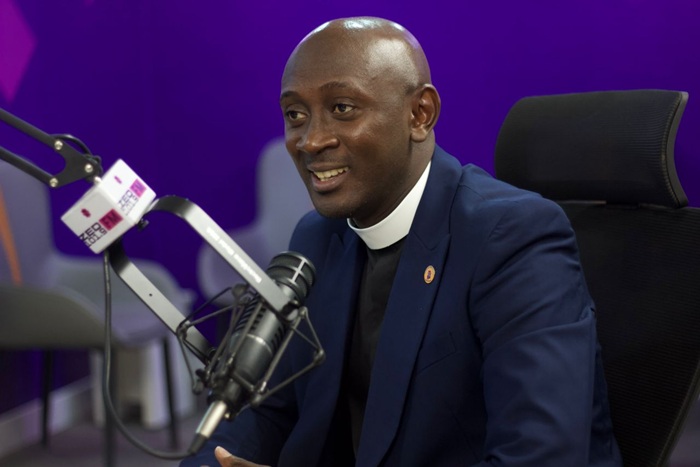
Assistant Minister of the Trinity United Church, Rev. Amos Ato Wonderful Afful, has said Ghana’s social system has undergone significant transformation due to historical, religious and global influences, stressing that the changes cannot be blamed solely on Christianity.
Speaking on The Focus on Zed 101.9FM, Rev. Afful noted that the world has evolved, and with it, the way societies organise their values, beliefs and daily lives. According to him, African traditional religion promoted honesty and accountability, as people believed wrongdoing attracted severe consequences from the gods. This belief system, he said, encouraged discipline and social order within communities.
Rev. Afful, however, rejected claims that Christianity has been a disservice to Africa. He explained that while African traditional religion remains valid and central to African identity, Christianity also played a role in liberating people from various forms of oppression, adding that Christian worship in Africa has often blended African cultural expressions with Christian teachings.
“The African traditional religion is a good one. It is our religion, it is how we are, and it is who we are supposed to be,” he said.
He acknowledged that Christianity has its challenges, pointing to what he described as “pitfalls” within the faith. These include some believers misusing the freedom found in Christianity to justify wrongdoing, as well as complex theological questions surrounding the justice of God, the delay in punishing evil, and the broader problem of evil in the world.
Rev. Afful explained that some people struggle with the idea of a loving God who appears to allow evil to persist, a challenge that continues to spark debate within Christian theology.
Despite these concerns, he maintained that Christianity has, by and large, contributed positively to the development of the African continent, particularly in areas such as moral formation, education and social organisation.
He further observed that globalization has had a profound impact on African societies, including rural communities, noting that even in very traditional villages, ways of life have changed significantly over time.
Rev. Afful highlighted that social transformation in Africa should be understood as the result of multiple influences, including religion, globalization and historical change, rather than attributing it to Christianity alone.



