

Ghana Eyes Tripled Cocoa Earnings Through Aggressive Local Processing Drive
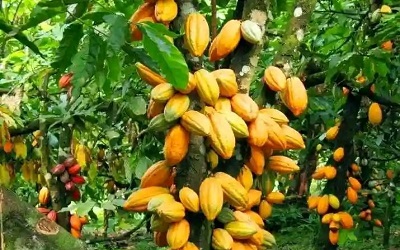
Ghana is setting its sights on tripling its cocoa earnings by significantly scaling up domestic processing, the Ghana Cocoa Board (COCOBOD) has announced. The move forms part of a renewed national strategy to shift the industry away from reliance on raw bean exports and boost value addition within the country.
Board Chairman of COCOBOD, Samuel Ofosu Ampofo, said the initiative is anchored on ensuring that local processing plants operate at full capacity throughout the year. According to him, Ghana stands to unlock far greater economic gains if more of its cocoa is converted into secondary products before export.
“We believe the time has come to process a far greater volume of our raw beans domestically. Value addition is the key to creating jobs for our youth and increasing profitability. By processing beans into secondary products here in Ghana, we can triple the economic benefits. This must be our focus,” he stated.
Mr Ofosu Ampofo made the remarks during an inspection tour of the West African Mills Company (WAMCO) in Takoradi, one of the country’s major cocoa processing facilities. COCOBOD owns a 40 per cent stake in the plant, which is currently operating at just 30 per cent of its installed capacity due to limited bean supply.
He assured the management of WAMCO that the Board is committed to addressing this bottleneck. He noted that ensuring sufficient and consistent supply of beans to domestic processors will be central to the new value addition agenda.
Welcoming the delegation, WAMCO’s Deputy Managing Director for Finance and Administration, Dr Daniel Boakye Danquah, confirmed that bean shortages continue to constrain output. “Our main challenge is the supply of cocoa beans, which the Board says it is ready to address,” he noted.
The renewed push for domestic processing aligns with Ghana’s broader ambition to increase revenue retention within the cocoa value chain, stimulate industrial growth and create employment opportunities for young people.
With global demand for semi-finished cocoa products rising, COCOBOD believes that strengthening local processing capacity could significantly uplift Ghana’s export earnings and reduce vulnerability to fluctuations in raw bean prices.
What remains now is the coordinated execution of that ambition—ensuring factories operate at full capacity, supply lines remain steady, and value addition becomes the standard rather than the exception.



