Ghana Must Embrace Automation and Digitalisation to Stay Competitive in Mining — Chamber President
By Praisebell Rosemond Larbi
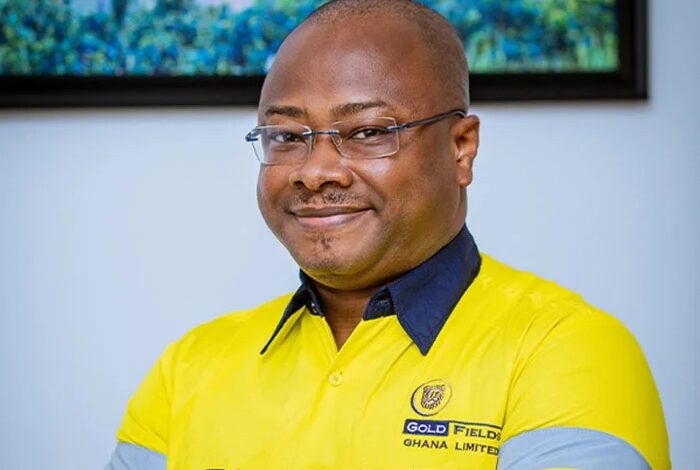
Ghana’s mining sector must urgently embrace automation, digitalisation, artificial intelligence, and stronger local content policies if it is to remain globally competitive and take advantage of the sweeping technological changes reshaping the global minerals industry, President of the Ghana Chamber of Mines, Mr. Michael Edem Akafia, has said.
Delivering a keynote address at the 11th Ghana Mining Industry Awards in Accra, Mr. Akafia said the global mining landscape is undergoing one of its most profound transformations in decades. He noted that major mining jurisdictions are accelerating investment into remote operations, robotics, advanced data systems, decarbonised processes, and alternative mineral inputs, leaving traditional mining nations at risk of being left behind if they do not adapt.
“Automation, digitalisation, decarbonisation, and new mineral demands are reshaping how mining is done. Ghana must position itself to benefit from this transition,” he stated, stressing that mining companies across the world are rapidly integrating innovative technologies to improve productivity, enhance safety, and reduce environmental footprints.
Mr. Akafia said Ghana is well-placed to participate in this technological shift, but only if the country intensifies efforts to build local capacity, develop specialised skills, and create incentives that encourage innovation within the mining ecosystem. “We therefore encourage the government to support the Chamber’s push with policies that promote real made-in-Ghana local content development, skills training for the future workforce, incentives for technology adoption, and environmental stewardship in line with global climate commitments,” he added.
He argued that Ghana should no longer see itself merely as a mineral-producing country but as a potential hub for mining-related services, research, engineering, and value-added supply chain development. “Ghana has the potential to be a leading mining hub, not only in production, but in knowledge, services, innovation and sustainability,” he said.
Mr. Akafia reaffirmed the Chamber’s collaboration with government on the Mining Hub Study, which seeks to outline how Ghana can become a regional centre of excellence in mining technology and innovation. He said that if implemented successfully, Ghana could attract global mining service giants, boost technology transfer, and expand opportunities for local businesses.
Highlighting the importance of people and communities in the sector’s evolution, he noted that technology must not only benefit companies but should also create more resilient mining communities. He explained that innovation and data-driven systems help improve safety, reduce operational risks, and ensure that mining operations are cleaner, more transparent, and more accountable to host communities.
Mr. Akafia therefore called for stronger collaboration among government, industry players, labour unions, communities, and academic institutions to upgrade Ghana’s mining workforce. He warned that without targeted training in automation, robotics, digital mapping, environmental monitoring, and mineral processing technologies, Ghana risks losing competitiveness as global skill requirements shift rapidly.
He stressed that mining’s future will be defined by countries that can combine strong local content policies with innovation-driven strategies. “By combining technology, skills training and local content development, Ghana’s mining sector can compete globally while creating meaningful opportunities and benefits for its citizens,” he said.
The event celebrated excellence in mining safety, innovation, environmental management, corporate responsibility, and community impact areas the Chamber says are vital for the future of the sector.