

Focus on High-Growth Sectors to Sustain Economic Momentum – GSS to Businesses
By Praisebell Rosemond Larbi
The Ghana Statistical Service (GSS) has called on businesses to channel investments into sectors demonstrating the strongest growth, highlighting their critical role in sustaining Ghana’s economic expansion and supporting broader industrial recovery.
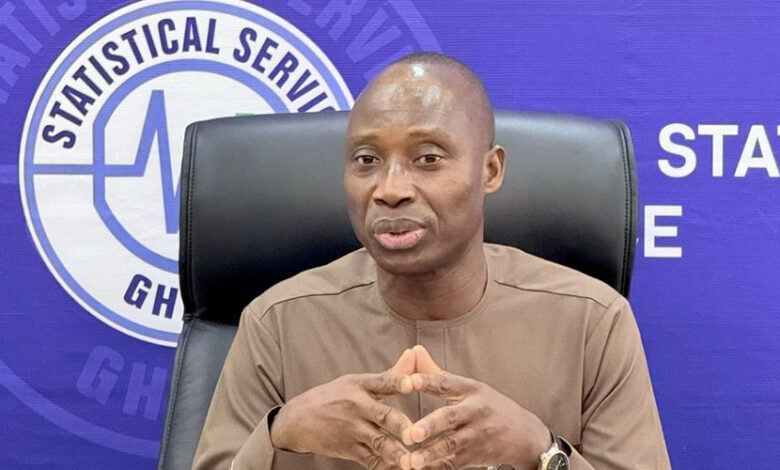
Delivering the message, Government Statistician Dr. Alhassan Iddrisu urged the private sector to prioritise ICT, trade, transport, crops, and manufacturing, which together account for over 80 percent of total economic expansion. “It would be good to shift capital and effort towards ICT, trade, transport, crops and manufacturing, where we are seeing the most growth,” Dr. Iddrisu said, emphasising that strategic investment in these sectors can drive profitability, competitiveness, and sustainable economic development.
The Statistician also highlighted the importance of aligning business strategies with government policy. He called on policymakers to stabilise the industrial sector by addressing challenges such as the sharp decline in oil and gas, while strengthening high-growth sectors to maintain the economy’s momentum. He noted that the key programs in the 2026 budget must be “implemented religiously” to support industrial recovery, protect livelihoods, and ensure that Ghana remains on a path of inclusive growth.
Dr. Iddrisu further acknowledged the role of accurate data in shaping business decisions and public policy. He thanked institutions and individuals who contribute to national statistics, stressing that timely and accurate data submissions are essential for evidence-based decision-making. “We remain dedicated to producing timely, accurate, relevant, and credible statistics to support evidence-based decision making for national development,” he said.
Analysts say the Statistician’s advice provides critical guidance at a time when businesses face high production costs, inflationary pressures, and stiff competition, both locally and regionally. By focusing on sectors that are growing rapidly, businesses can leverage emerging opportunities, reduce operational risks, and participate actively in Ghana’s economic transformation.
Dr. Iddrisu also noted that prioritising investments in sectors such as ICT, transport, and agriculture could stimulate job creation, boost productivity, and enhance export capacity, complementing government efforts under initiatives like the 24-Hour Economy and Accelerated Export Development programs.
For policymakers, he stressed the need to provide a conducive environment that encourages private-sector participation, including stable energy supply, infrastructure development, access to credit, and regulatory support.
With these recommendations, Dr. Iddrisu underscored the shared responsibility of businesses and government to sustain Ghana’s growth trajectory. By making strategic investments in high-performing sectors, leveraging accurate data, and implementing supportive policies, the country can consolidate economic gains, drive industrial recovery, and ensure inclusive growth for all Ghanaians.



