

Agriculture Powers Ghana’s Q3 Growth with 8.6% Expansion – GSS
By Praisebell Rosemond Larbi
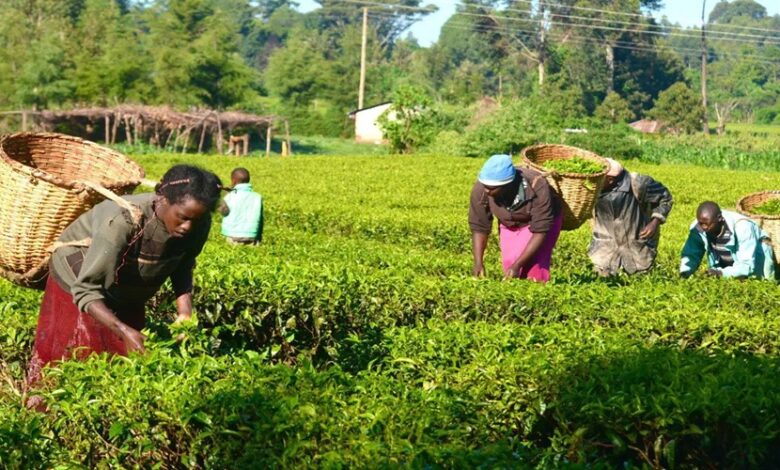
Ghana’s agriculture sector emerged as the key driver of economic growth in the third quarter of 2025, expanding by 8.6 percent and contributing roughly 30 percent of total GDP, according to provisional data from the Ghana Statistical Service (GSS). The strong performance was propelled by gains in crops and a remarkable rebound in fishing, which surged 23.1 percent after contracting during the same period last year. Cocoa production also returned to modest growth, rising 1.9 percent compared with a 21.4 percent contraction in Q3 2024.
Overall, the economy produced GH¢50.8 billion worth of goods and services in Q3, up from GH¢48.2 billion in the same period last year, translating into a 5.5 percent real GDP growth rate. The non-oil economy, which excludes petroleum-related activities, grew 6.8 percent, reflecting broad-based activity outside the extractive sector. Agriculture’s strong performance underpinned this growth, demonstrating its continued centrality to livelihoods, food security, and economic stability in Ghana.
The industrial sector, in contrast, recorded only 0.8 percent growth, weighed down by an 18.2 percent contraction in oil and gas and a 2.8 percent decline in mining and quarrying. Manufacturing provided some support, growing 3.9 percent, but the overall industrial contribution remained limited compared with the dynamism seen in agriculture.
Services, the largest contributor to GDP, expanded by 7.6 percent, led by ICT, trade, transport, finance, and education. ICT alone grew 17 percent, reflecting the sector’s resilience and its increasing role in driving economic activity.
Seasonally adjusted quarter-on-quarter growth stood at 1.3 percent, slightly below the 1.6 percent recorded in Q3 2024, showing that the economy continues to expand steadily even after accounting for predictable seasonal fluctuations.
Analysing the first three quarters of 2025, the GSS reported that the economy grew 6.1 percent, with the non-oil economy expanding 7.5 percent. Agriculture maintained strong momentum over the nine-month period, growing 7.4 percent, reinforcing its position as a cornerstone of Ghana’s economic development and a major source of employment.
The GSS emphasised that the positive trends in crop production and fishing present households with opportunities to rebuild savings, particularly as price pressures ease. “This is a moment that households should actually be spending wisely and saving more,” advised the Statistician.
These figures highlight that agriculture remains a vital pillar for sustainable growth, supporting food security, boosting exports, and underpinning broader economic resilience as Ghana navigates both domestic and global economic challenges.



