

Will Rising Utility Tariffs Derail Businesses in 2026?
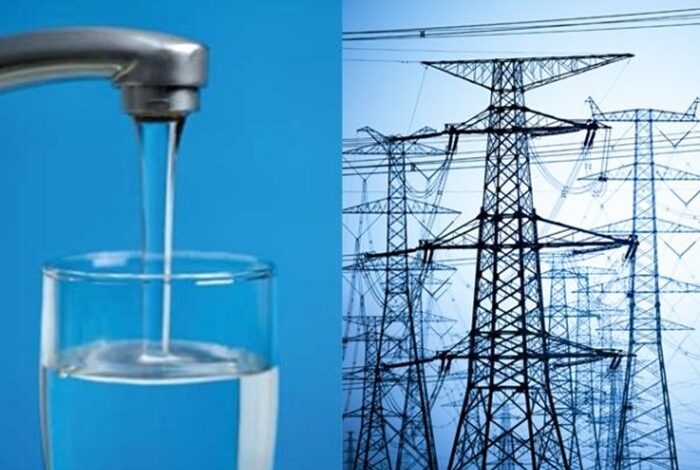
The Public Utilities Regulatory Commission’s (PURC) approval of new electricity and water tariffs beginning January 1, 2026, has triggered a fresh wave of worry across Ghana’s business community, and not without reason. A 9.86% increase in electricity and a 15.92% rise in water charges come at a time when firms are still battling high operational costs, weak consumer demand, and the lingering effects of Ghana’s recent economic turbulence. The question now is this: Can businesses absorb yet another cost shock without passing it on to the very consumers already under pressure?
PURC insists that these adjustments are necessary to sustain utility providers, whose financial stability has been undermined by inflation, exchange rate fluctuations, and significant investment gaps. A multi-year tariff plan from 2026 to 2030, the Commission argues, provides predictability and supports long-term planning. However, predictability alone does not soften the blow for businesses already stretched thin.
For many, the real issue is not the tariff increase itself, but the persistent inefficiencies that continue to plague the energy sector. As Ranking Member on Parliament’s Energy Committee, George Kwame Aboagye rightly points out, Ghana loses nearly 32% of its power through commercial and technical leakages, a staggering $80–$90 million in revenue slipping through the cracks annually. Should consumers and businesses be asked to shoulder higher tariffs when such avoidable losses remain unresolved? That is the uncomfortable question the sector must confront.
Businesses, especially SMEs, operate on tight margins. Higher utility prices mean higher production costs and in many cases, this translates directly into higher prices for goods and services. The ripple effects are clear: reduced competitiveness, weakened household spending power, and potential job cuts as firms struggle to stay afloat. Analysts warn that these pressures could darken the investment climate just when Ghana needs private capital to drive recovery.
The inflationary implications are equally troubling. Utility tariffs have historically served as catalysts for rises in the cost of living. With 2026 expected to be a year where policymakers aim to lock in disinflation gains, the new tariff hikes risk slowing the pace of price stability and stretching families that have barely regained their financial footing.
The Minority’s call for a withdrawal and review of the tariff increases may resonate politically, but it also reflects legitimate economic concerns. Efficiency reforms, not simply passing on costs should form the backbone of Ghana’s utility pricing strategy. Recovering the billions lost to inefficiencies would offer greater relief to consumers than any temporary pause in tariff hikes.
As Ghana navigates its path toward economic recovery, one truth is clear: businesses cannot thrive in an environment where rising operational costs outpace profitability. Utility pricing reform must therefore focus as much on fixing the system as on funding it. Only then can the private sector’s resilience match the ambition of Ghana’s long-term growth agenda.



