

EU Criticises US Security Strategy, Cites ‘Changed Relationship’ with Washington
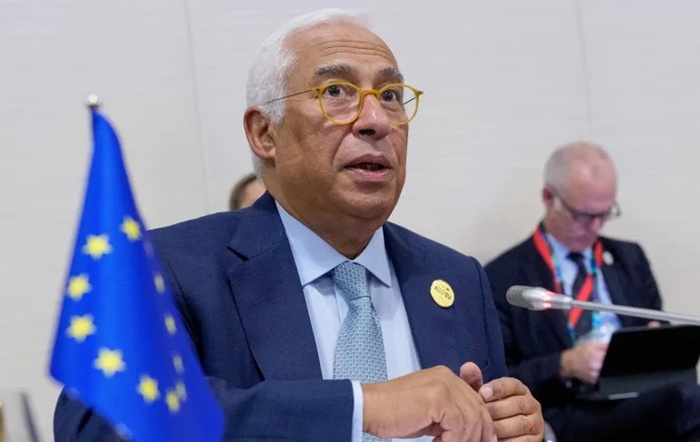
Euroean Council President Antonio Costa and the German government have strongly criticised the United States’ new national security strategy, which portrays Europe as a declining power and questions its long-term relevance to Washington. The document, released by President Donald Trump’s administration, argues that Europe faces the “prospect of civilisational erasure” due to migration, accuses it of suppressing anti-immigration movements, and suggests the US may reconsider its longstanding security guarantees.
Costa described the strategy as a signal of a “changed” transatlantic relationship. Speaking at the Jacques Delors Institute in Paris, he said Europe must recognise that post World War II alliances are evolving. Costa also rejected claims in the document that free speech is being censored in Europe, insisting that only European citizens can decide which parties govern them. “The United States cannot replace Europe in its vision of freedom of speech,” he said. He added, “There will never be free speech if citizens’ freedom of information is sacrificed for the aims of tech oligarchs in the United States.”
Germany echoed Costa’s concerns. Deputy government spokesperson Sebastian Hille called parts of the strategy “ideology rather than strategy” and defended political freedoms, including the right to freedom of expression, as fundamental EU values. Berlin also criticised the US for failing to identify Russia as a threat, reaffirming NATO’s position that Moscow poses a danger to transatlantic security.
The strategy highlights Washington’s aim to improve relations with Moscow, pressing Ukraine toward a peace plan and criticising Europe’s “unrealistic expectations” for resolving the war. Initial US proposals, which would have allowed Russia to retain parts of eastern Ukraine, faced strong opposition from European leaders. The revised plan, with input from Ukraine and European allies, remains partially undisclosed. Moscow has welcomed the strategy, which Costa warned prioritises stability with Russia over a fair and durable peace.
Costa concluded that Europe cannot achieve security with Russia as a threat and emphasised that transatlantic cooperation must be based on mutual respect and European self-determination.



