

Sudan Assures Public of Fuel Security amid Panic Buying
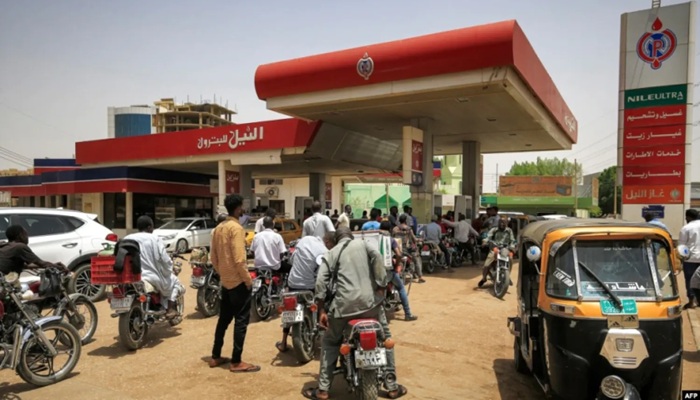
Sudan’s government has moved to calm fears of fuel shortages following reports of panic buying in Khartoum and other states.
Energy Minister Mutasim Ibrahim says the country has enough petroleum reserves to last several weeks and urged citizens not to hoard supplies. Speaking at a press conference, the minister explained that Sudan currently holds a 16 day reserve of gasoline, 21 days of diesel, and 17 days of aviation fuel. He added that additional shipments are already on the way to reinforce the country’s stock levels.
Ibrahim stressed that Sudan’s petroleum supply is diversified and not overly dependent on the Arabian or Persian Gulf. He revealed that recent shipments included only one tanker from Kuwait and one from Oman, while most supplies came from the Red Sea, the Mediterranean, and the Black Sea. This, he said, provides greater security and reduces the risk of disruption from regional tensions.
Despite these assurances, reports of long queues at fuel stations have surfaced in Khartoum and other parts of the country, as residents rush to secure supplies. The minister warned against panic buying and hoarding, saying such actions could create artificial shortages and worsen the situation.
He emphasized that the government has secured the nation’s petroleum needs and is working to ensure steady distribution across all states. According to Ibrahim, the reserves and incoming shipments are sufficient to meet demand, and there is no immediate threat to fuel availability.
The announcement comes at a time when global energy markets are experiencing volatility, raising concerns about supply security in many countries. Sudan’s government insists that its diversified sourcing strategy and current reserves put the nation in a strong position to withstand external shocks.
Authorities are urging the public to remain calm and avoid unnecessary stockpiling, assuring that fuel supplies will continue to flow. The Energy Ministry says it will maintain close monitoring of the situation and provide updates to ensure transparency and public confidence.
With the reserves in place and new shipments en route, officials believe Sudan can sustain its fuel needs in the short term while working on longer term strategies to strengthen energy security.



