

Nkabom Collaborative pushes for integrated food systems to curb food losses
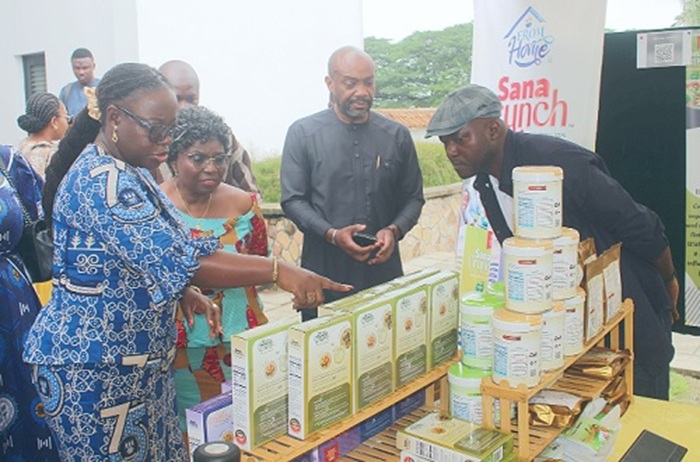
The Education Pillar Lead for the University of Ghana Nkabom Collaborative, Dr. Hanford M. Ayerakwa, has expressed concern over the rising levels of food loss and waste in the country and called for a shift toward comprehensive food systems thinking to tackle longstanding challenges in the agricultural sector.
Addressing the media on Thursday, November 27, 2025, in Accra, Dr. Ayerakwa explained that despite various national interventions aimed at boosting food production, Ghana continues to lose about 50% of what is produced.
He noted that these losses occur across multiple stages from production and aggregation to processing, distribution and consumption yet national policies often focus solely on production.
Describing the situation in markets, restaurants, and homes, Dr. Ayerakwa highlighted the daily discarding of huge amounts of food, even as hunger and nutritional challenges persist among vulnerable groups. He warned that these losses have far-reaching consequences on national productivity, household incomes, land pressure, and expected returns on agricultural investments.
He emphasized that a true food systems approach goes beyond farming to include aggregation, processing, transportation, storage, technology use, and consumer behavior. “Nobody is really thinking through the entire system to ensure that what is produced reaches the final consumer and preserves its value,” he said.
Explaining the role of the Nkabom Collaborative, Dr. Ayerakwa said the initiative was established to bring stakeholders together to address these systemic challenges.
He highlighted the ongoing youth empowerment program, which has attracted hundreds of applications from young people eager to contribute to food systems transformation. So far, 344 applicants have been shortlisted, with the final list expected soon.
Dr. Ayerakwa expressed excitement about the diversity of applicants, which includes individuals from engineering, mathematics, science and other fields. The program encourages participants to work in groups, identify a common problem, and design practical solutions.
“What excites me is what I see others doing. Some have already started their own projects and are doing things the right way,” he said.
He added that the Nkabom Collaborative has conducted over 20 capacity-building sessions so far, with another major session planned for next year. The Collaborative also closely monitors participants who demonstrate exceptional potential, providing mentorship, exposure to experts, and additional support to help them implement their ideas effectively.
Dr. Ayerakwa concluded by urging stakeholders to move away from isolated agricultural interventions and adopt integrated food systems thinking, stressing that this approach will make agriculture more appealing to young people while helping to reduce the high levels of food loss and waste across the country.



