2026 Budget Requires Deeper Structural Reforms for True Transformation – CERPA
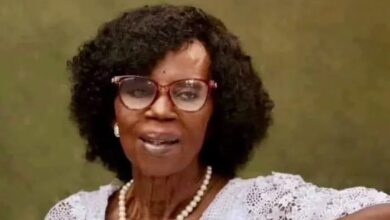
By Praisebell Rosemond Larbi
The Centre for Economic Research and Policy Analysis (CERPA) has issued a critical assessment of the 2026 Budget, warning that although government has succeeded in restoring a degree of macroeconomic stability, the fiscal plan lacks the bold structural reforms required to deliver long-term transformation, competitiveness and broad-based job creation.
The think tank’s analysis follows the presentation of the 2026 Budget Statement to Parliament on 13 November 2025. CERPA observed that the budget builds on the gains of 2025, highlighted by easing inflation, a relatively stable cedi and improved fiscal balances but argued that deeper reforms are necessary to shift Ghana from stabilisation to sustained growth.
According to CERPA, government expects total revenue and grants to reach GH¢268.1 billion in 2026, representing an 18.3 percent increase over 2025. Expenditure is projected at GH¢302.4 billion, up 12.2 percent. But the organisation raised concerns over the credibility of the revenue outlook, pointing to Ghana’s persistent record of falling short of annual collection targets.
On fiscal consolidation, CERPA noted that the projected primary surplus of 1.5 percent of GDP and the overall deficit target of 2.2 percent are in line with medium-term goals. However, it cautioned that implementation risks remain elevated, especially in an election year where expenditure pressures traditionally intensify. Rising interest costs, the group added, could also undermine fiscal discipline.
Touching on growth, CERPA stated that the government’s 4.8 percent GDP projection is attainable only if supported by targeted interventions in agriculture, manufacturing and SMEs. While it welcomed the rebuilding of the Sinking Fund and the decision to limit non-concessional borrowing, the organisation called for clearer timelines and greater transparency in debt reporting.
CERPA also commended the budget’s emphasis on digital taxation, modernised revenue systems, and strong coordination between fiscal and monetary policy. Continued investments in the Free SHS program, NHIS, LEAP and School Feeding were highlighted as positive, alongside infrastructure projects under the Big Push Program and initiatives to support the 24-Hour Economy.
However, the think tank identified several weaknesses, including potential revenue overestimation, continued dependence on domestic borrowing that could crowd out private sector credit, inadequate productivity-enhancing measures in agriculture and industry, and fragmented poverty alleviation interventions without measurable impact indicators.
In its concluding remarks, CERPA maintained that although the budget continues Ghana’s stabilisation trajectory, it falls short of articulating a transformative agenda capable of addressing long-standing structural constraints.
The organisation urged government to prioritise implementation credibility, invest more aggressively in productive sectors, diversify exports and pursue reforms that can generate jobs and anchor long-term economic resilience.