

Government Completes Recruitment of 13,500 Nurses and Midwives
By Praisebell Rosemond Larbi
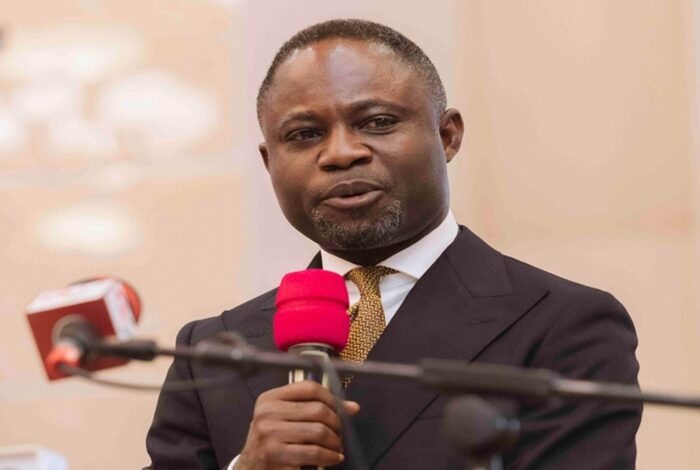
The Minister of Health, Kwabena Mintah Akandoh, has announced the successful completion of the government’s recruitment of 13,500 nurses and midwives, describing it as a major step toward strengthening Ghana’s health workforce and improving service delivery nationwide. The large-scale recruitment exercise forms part of the government’s strategy to stabilise staffing levels in public health facilities and expand access to essential services under key health interventions.
Speaking at the 19th Biennial Conference of the Ghana Registered Nurses and Midwives Association (GRNMA) in Tamale, the Minister said the completion of the process reflects the administration’s commitment to bolstering frontline personnel, who are central to the implementation of the Free Primary Healthcare and Mahama Cares programmes.
Mr. Akandoh noted that while the recruitment has been completed, some of the newly engaged nurses and midwives encountered delays in receiving their salaries due to administrative processes associated with large-scale onboarding. He assured, however, that all outstanding payments will be settled by the end of the month. “We acknowledge the concerns raised regarding salary delays. I want to assure all newly recruited nurses and midwives that every outstanding remuneration will be paid before the month ends,” he said.
The Health Minister emphasised that nurses and midwives constitute the backbone of the country’s healthcare system and reaffirmed the government’s commitment to improving their welfare and working conditions. He disclosed that the Ministry is currently reviewing the negotiated Conditions of Service and intends to incorporate them into the 2026 Budget. According to him, this step demonstrates a clear resolve to enhance job satisfaction, retain skilled professionals, and reduce attrition in the health sector.
Mr. Akandoh also announced that longstanding bottlenecks relating to promotions have been resolved. He explained that constraints created by a lack of vacancies had previously slowed down the promotion cycle, but these issues have now been addressed through a coordinated effort between the Ministry, the Ghana Health Service, and relevant labour institutions.
He further encouraged continued collaboration among stakeholders to tackle broader challenges in the sector, including deployment delays, specialist training opportunities, and the need for a more balanced distribution of health professionals across regions.
The Minister stressed that strong and sustained partnerships with unions such as the GRNMA will be crucial to building a resilient health system capable of delivering quality and equitable care to all Ghanaians.



