

2025 BECE: WAEC withholds results of 87 schools
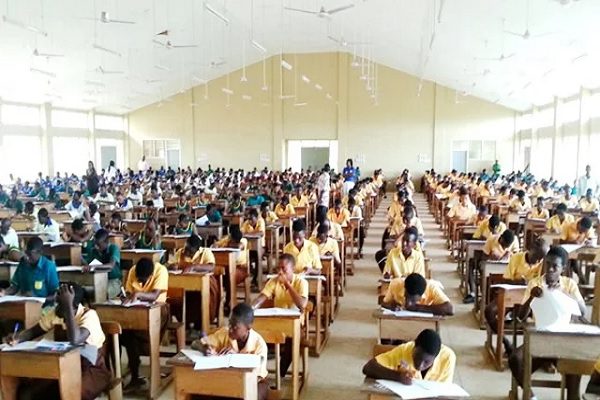
The West African Examinations Council (WAEC) has cancelled subject results for candidates from 119 schools due to examination malpractice, while withholding results from 87 schools pending further investigations in the 2025 Basic Education Certificate Examination (BECE).
This follows the 36th Final Awards and Examiners’ Appointment Committee meeting held on 15 August 2025.
The withheld results will either be released or cancelled after investigations conclude by 6 September 2025.
In a statement signed by the Head of Public Affairs, Mr John K. Kapi, WAEC confirmed that provisional results have been dispatched to schools through Metropolitan, Municipal, and District Directors of Education. Candidates can also check their results online via www.waecgh.org.
This year, 603,328 candidates from 20,395 schools sat the examination at 2,237 centres nationwide, with 2,526 candidates recorded absent.
The exams included candidates with special needs, such as visual and hearing impairments.
Candidates affected by cancellations or withheld results are advised to visit WAEC’s irregularities portal or use the withheld/cancelled results button on the Council’s website for more information.
Heads of schools and proprietors can also verify candidate statuses through their login credentials.
WAEC warned the public against fraudsters who claim they can upgrade results for a fee and reassured that the Council’s results are secure and verifiable.
The Council thanked the Ministry of Education, Ghana Education Service, security agencies, heads of schools, supervisors, invigilators, and examiners for their support in ensuring a smooth examination process and timely release of results.



