

Economist Backs 20% Tax Adjustment as Balanced Approach for Businesses and Government
By: Solomon Nartey Tetteh
Development Economist Dr. Felix Larry Essilfie has revealed that the government’s decision to settle on a 20 percent tax adjustment reflects an attempt to strike a fair balance between providing relief for businesses and generating the revenue needed for national development.
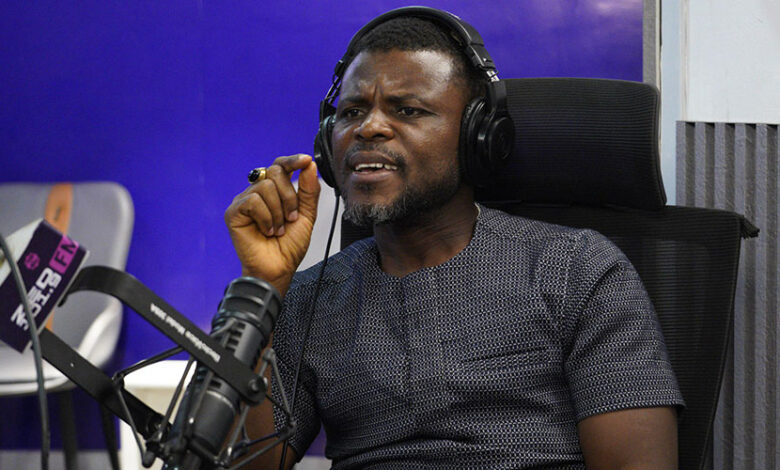
Speaking on the Business Breakfast on Zed 101.9FM, Dr. Essilfie noted that the Finance Minister may have relied on “well-founded empirical calculations” to determine that the 20 percent rate is the most optimal for the economy.
According to him, government needs enough fiscal space to fund capital expenditure outlined in the national budget, as well as meet social protection obligations such as the provision of free sanitary products and other welfare initiatives.
He explained that while businesses would naturally prefer the lowest possible tax rates even as low as zero percent such demands are not economically sustainable for a developing country.
“I was not expecting government to reduce taxes to a level that would be inimical to revenue mobilisation and national growth. In my humble opinion, the 20 percent rate may bring some dissatisfaction, but it remains a rational compromise,” he said.
Dr. Essilfie praised government plans to establish farm service centres across major farming zones. He described the initiative as a potential game-changer for the sector.
“A single farm service centre provides a one-stop shop for farmers. Farmers can access financing, including soft loans, as well as affordable agricultural inputs needed to maximise production,” he explained.
The economist also welcomed the government’s intention to construct new sports stadia in regions lacking such facilities. According to him, sports infrastructure development carries both economic and social benefits.
“All over the world, sports, especially football, have created jobs and generated wealth. Building three or four sports stadia in areas without facilities is the right move. These projects will create direct and indirect jobs,” he said.
He added that match days typically stimulate economic activity, citing the sale of souvenirs, fan merchandise and other paraphernalia as examples of how sports events support livelihoods.
Dr. Essilfie emphasised that the combination of tax relief, agricultural investment and sports infrastructure has the potential to energize multiple sectors of the economy and improve the welfare of citizens.



