

2026 Budget: This is the time to turn stability into relief
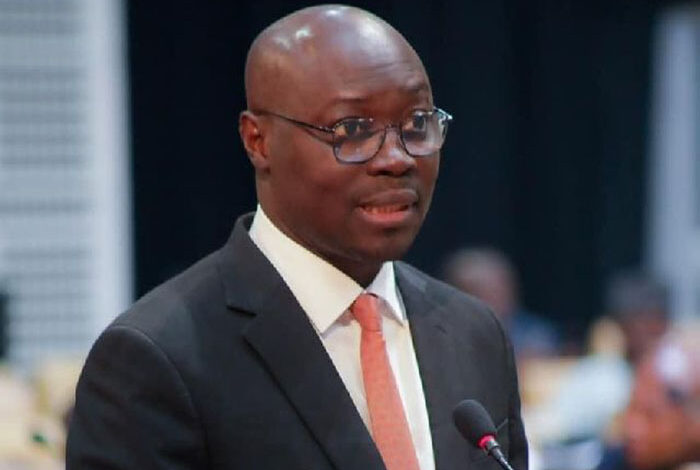
As Finance Minister Dr. Cassiel Ato Forson prepares to present the 2026 Budget tomorrow, myself like many Ghanaians are rightly asking one question: will this budget make life easier for ordinary people like us?
The economy is showing signs of recovery. Inflation has slowed and the cedi has stabilised. But for many households and businesses, these gains are not yet felt at the market or in their pockets.
Inflation has come down to single digits, and that is good news on paper. But prices for food, transport and utilities are still high for most Ghanaians. Lower inflation must translate into cheaper goods and services if it is to make any real difference. Otherwise the statistics mean little to families struggling to pay rent, school fees and daily expenses. The 2026 Budget should include measures that help reduce the cost of living directly not just maintain a low figure.
A stable cedi has the potential to make imported goods more affordable and support business planning. But stability alone is not enough. Businesses have been cautious about reducing prices and any setback in the cedi’s value could quickly erase recent gains. The budget should show that government policies will protect the cedi, support local production and make sure Ghanaians benefit from currency strength in practical ways.
Past budgets have suffered from overspending which puts pressure on the cedi and can push inflation up again. Dr. Forson must show that fiscal discipline will be central to the 2026 Budget. Every cedi spent should be accounted for and priority must be given to programs that stimulate growth, create jobs and support households.
As it stands businesses are still struggling with high borrowing costs and limited access to affordable loans. Without credit, small and medium enterprises cannot expand or create jobs. I expect that the budget provide incentives for banks to lend at lower rates and introduce credit schemes that help local businesses thrive. This is critical for turning macroeconomic stability into real opportunities for growth and employment.
Ghana’s growth must include ordinary citizens like me. Programs such as education, healthcare and support for farmers, should be prioritized because these areas are the foundation of long-term development and ensure that recovery is felt where it matters most.
A budget that combines fiscal prudence as the government has already promised with support for people will strengthen public confidence and help reduce inequality.
This Budget comes at a delicate time when Ghana’s economy is recovering but recovery experts say is fragile. The government has a chance to turn stability into relief that benefits households and businesses. If inflation is kept in check, the cedi remains stable, no overspending and credit flows to businesses, ordinary Ghanaians will feel the impact in their daily lives.



