

Smoked Herrings, Plantain, and Charcoal Lead Inflation Drivers in October 2025
By Praisebell Rosemond Larbi
Ghana’s inflation rate continued its steady decline in October 2025, falling to 8.0 percent, the lowest in four years and marking the tenth consecutive month of disinflation. However, fresh data from the Ghana Statistical Service (GSS) shows that despite this progress, key food items and household fuels remain major drivers of price pressures across the country.
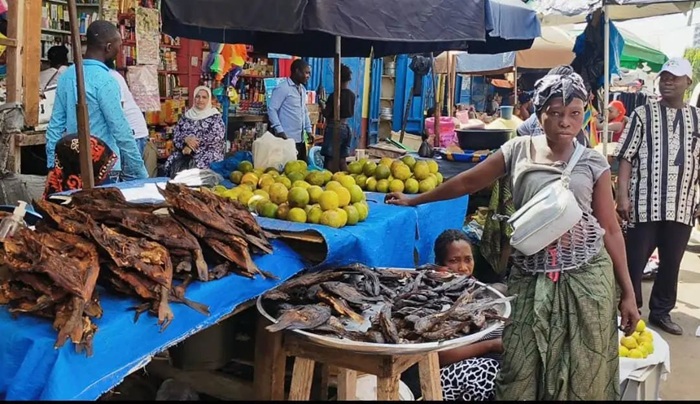
The Consumer Price Index (CPI) report for October revealed that the top 20 inflation contributors accounted for nearly one-quarter of total price growth during the month. Dominating the list were smoked herrings, green plantain, cinema and cultural services, cooked rice, and charcoal, items that continue to shape household spending patterns.
According to the GSS, smoked herrings alone contributed 0.5 percentage points to the year-on-year inflation rate. Although its price growth slowed from 23.8 percent in September to 16.4 percent in October, the commodity remains a significant cost driver for both low- and middle-income households.
Green plantain followed closely, with prices soaring 61.6 percent year-on-year, up from 14.2 percent the previous month, adding 0.4 percentage points to overall inflation. The sharp rise was linked to seasonal supply shortages and elevated transportation costs from key producing regions in the south and middle belts.
Other major contributors included cinema and cultural services, up 52.9 percent, cooked rice at 14.2 percent, and charcoal, which rose 37.7 percent due to higher production and distribution costs amid growing demand for alternative fuels as gas prices remain high.
Beyond these, the CPI report highlighted notable gains in ginger (+94.1%), vegetable oil (+35.8%), tomato paste (+29.4%), and electricity (+33.7%)—all essentials that directly affect cooking, household energy use, and consumer welfare. Everyday staples such as re-sold tap water, cassava products (kokonte/dough), beef, and kenkey with fried fish each contributed between 0.2 and 0.3 percentage points, underscoring the food-heavy nature of Ghana’s inflation structure.
According to the GSS, food and non-alcoholic beverages accounted for over four percentage points of the overall 8.0 percent headline rate. Non-food items such as electricity, housing, and communication services made smaller but steady contributions, suggesting that while inflation is moderating, cost-of-living pressures persist.
Analysts warn that Ghana’s disinflation gains could prove fragile if food supply chains and energy costs remain unstable. Sustained price stability, they argue, will require policy focus on improving agricultural productivity, transportation efficiency, and energy distribution.
Regionally, North East recorded the highest inflation rate at 17.3 percent, while Bono East posted the lowest at 1.1 percent, highlighting wide regional disparities in access to affordable food and fuel.
Despite these structural challenges, the October figures signal growing macroeconomic stability and renewed investor confidence, as Ghana’s economy inches closer to restoring sustainable price equilibrium.



