

GRA Targets 8 Million New Taxpayers to Expand Tax Net
By Praisebell Rosemond Larbi
The Ghana Revenue Authority (GRA) has unveiled an ambitious plan to bring eight million new taxpayers into the national tax net as part of a bold strategy to expand Ghana’s revenue base and strengthen domestic resource mobilization.
The initiative seeks to increase the country’s active taxpayer population, currently estimated at around 19 million, through two major interventions: the Sustained Tax Education Program and the Modified Taxation Scheme (MTS).
According to the Authority, successfully onboarding the additional taxpayers could generate as much as GH¢40 billion in additional domestic revenue over the next few years, easing Ghana’s fiscal pressures and supporting national development priorities.
Simplifying Compliance, Expanding the Base
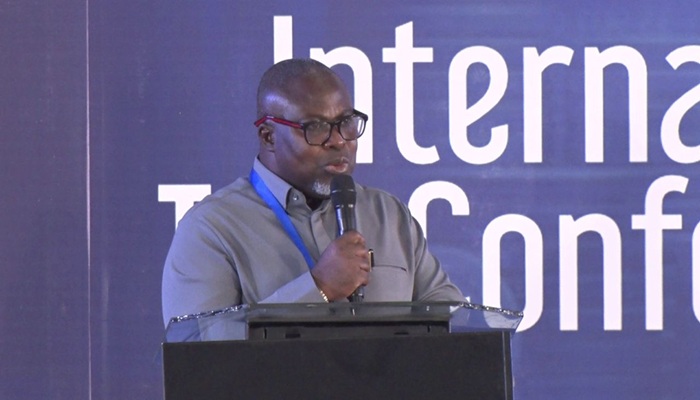
Launching the initiative in Accra, Commissioner-General of the GRA, Anthony Kwasi Sarpong, said the reforms represent one of the most far-reaching revenue mobilization efforts undertaken in recent years.
He explained that the Authority is prioritizing simplicity and inclusivity in its new approach, particularly targeting informal sector players who have traditionally been outside the formal tax system.
“The Modified Tax Scheme has huge potential. Our analysis shows that if we can bring at least two million new taxpayers into the net each year, we can significantly raise domestic revenue and support national development,” said Mr. Anthony Sarpong, GRA Commissioner-General.
Mr. Sarpong highlighted that the informal sector estimated to account for nearly 80 percent of the country’s workforce, represents the single largest opportunity for expanding the tax base.
Phased Rollout and Digital Transformation
Under the first phase of implementation, the GRA plans to enroll two million new taxpayers annually over the next three years, followed by an intensified second phase that will leverage digital platforms, mobile tax apps, and simplified filing systems.
The Authority believes that a combination of digital innovation, sustained public education, and a more transparent system will encourage voluntary compliance, improve trust, and minimize tax leakages.
Mr. Sarpong said the expected boost in revenue would be vital in reducing Ghana’s dependence on external borrowing and creating fiscal space for key social and infrastructure projects.
“This is not just about increasing numbers. It’s about fairness, efficiency, and national self-reliance,” he stressed.
Collaboration and Public Support
The GRA has called on the private sector, civil society, and local authorities to partner in building a culture of compliance and accountability.
Officials say the new measures align with government’s medium-term revenue strategy, which aims to raise Ghana’s tax-to-GDP ratio from 13 percent to 18 percent by 2027.
By broadening the tax base and strengthening collection systems, the GRA hopes to anchor a more sustainable, homegrown fiscal framework for Ghana’s long-term economic resilience.



