

India–Ghana Energy Deal A Boost for Renewables, Industry, and Trade
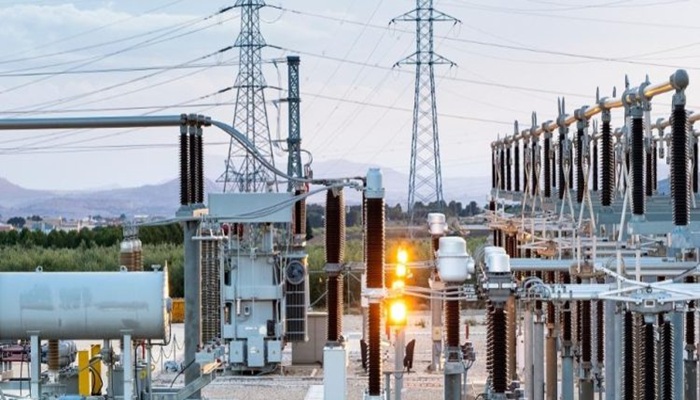
Ghana and India have signed a new economic cooperation framework aimed at accelerating renewable energy investment, technology transfer, and industrial growth. The agreement, announced at the Power Energy Ghana Expo 2025 in Accra, is expected to support Ghana’s energy transition agenda while expanding trade and private sector opportunities between the two nations.
The partnership aligns with Ghana’s Energy Transition Framework, which targets net-zero energy-related carbon emissions by 2060. Under the plan, Ghana hopes to increase the share of renewables in its national energy mix from 1 percent to 18 percent by 2047. It will require major private investment in solar, wind, and bioenergy projects.
Mr. Manish Gupta, the Indian High Commissioner to Ghana, said the framework would focus on renewable energy and industrial transformation as catalysts for sustainable growth. He noted that renewable solutions were already improving productivity and access to power in rural Ghana.
“The benefits of solar-powered irrigation, decentralised mini-grids, and other renewable solutions are transforming Ghana’s hinterlands. These projects can unlock productivity in agriculture and agro-processing while attracting private sector investment,” Mr. Gupta stated.
Analysts say the deal could position Ghana as a preferred investment destination for Indian firms seeking to expand into Africa’s clean energy and manufacturing markets. However, they caution that successful implementation will depend on policy consistency, transparent regulation, and local content participation.
Energy demand in Ghana continues to grow between 10 and 15 percent annually, driven by industrial expansion and rapid urbanisation. Officials say the government hopes to meet this demand while positioning the country as a sub-regional power exporter, a move expected to boost GDP and trade balances.According to the Ministry of Energy and Green Transition, the expansion of renewable energy will not only help bridge supply gaps but also reduce dependence on imported fuels and lower production costs for manufacturers. The ministry expects new investment inflows in power, construction, and automotive sectors as Ghana’s energy diversification gathers pace.
India has also expressed interest in supporting Ghana’s Big Push Agenda, which prioritises large-scale infrastructure projects in transport and logistics. Mr. Gupta said improved infrastructure would stimulate economic diversification, expand local content participation, and strengthen regional trade.
“Once you develop infrastructure, you unlock multiple value chains from construction materials to logistics and energy-intensive industries,” he added.
The framework is also expected to facilitate Indian private sector participation in renewable energy equipment assembly, energy storage technologies, and vocational training for technicians in Ghana’s green economy.
Mr. Richard Gyan-Mensah, Deputy Minister of Energy and Green Transition, reaffirmed government’s readiness to provide fiscal and regulatory incentives to attract investors into the renewable subsector.
“Energy is the backbone of industrialisation. Every business expansion, every manufacturing hub, and every export zone depends on reliable, affordable power,” he said. “That is why the government is reforming the sector to make Ghana’s energy economy more resilient, inclusive, and investment-friendly.”
He acknowledged persistent challenges including high fuel costs, transmission losses, and dependence on hydro and gas but said policies were being fast-tracked to localise solar component assembly and battery storage production.
“Ghana’s long-term ambition is to become a regional energy hub by exporting power to neighbouring West African countries, leveraging its growing renewable capacity and strategic partnerships with nations like India,” he added.
The Power Energy Ghana Expo, themed “BuildExpo Ghana”, brought together over 100 exhibitors from Africa, Europe, Asia, and the United States. Participants say the new India–Ghana partnership could inject fresh momentum into the country’s industrialisation drive by linking clean energy investments with manufacturing growth, a combination viewed as key to unlocking jobs, exports, and sustainable GDP expansion.



