BoG begins consultations on new national payment systems strategy
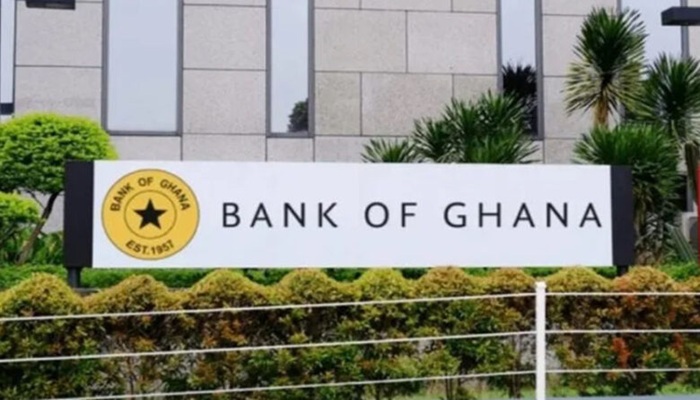
The Bank of Ghana (BoG) has commenced stakeholder consultations to refine the country’s National Payment Systems Strategy (2025–2029), marking the beginning of a new phase in Ghana’s digital financial transformation.
The stakeholder workshop, held in Accra, aims to align policy, innovation and infrastructure to support a payment ecosystem that is secure, inclusive and globally competitive.
The five-year strategy, which succeeds the 2019–2024 framework, is designed to consolidate Ghana’s achievements in digital finance and chart a roadmap for the next phase of growth in the payments ecosystem.
Participants at the workshop include representatives from commercial banks, fintech companies, mobile money operators, payment service providers, regulators and development partners.
Opening the session, First Deputy Governor of the Bank of Ghana, Dr Zakari Mumuni, commended the progress made under the previous plan.
“We have witnessed the expansion of digital payment channels, deepened interoperability across platforms, and strengthened regulatory frameworks that foster trust and innovation. These collective efforts have enhanced access, empowered consumers and positioned Ghana as one of Africa’s leaders in payment systems development,” Dr Mumuni said.
He noted that global financial systems are undergoing a profound shift due to the rise of virtual assets and tokenisation technologies, which are redefining how value is created and exchanged.
Dr Mumuni emphasised that payment systems are now “critical digital networks that underpin economic activity and enable real-time transactions in an increasingly digital economy.”
However, he cautioned against growing vulnerabilities within the space, including cybersecurity threats, online fraud and the market dominance of a few platforms, which could distort competition and undermine user confidence.
“We must not allow these risks, though formidable, to erode the progress we have made. Our collective resolve, spanning regulators, innovators and industry stakeholders, is stronger than the challenges confronting us,” he stated.
To strengthen resilience, the Bank of Ghana is advancing key initiatives such as open banking frameworks, public digital infrastructure, electronic Know Your Customer (eKYC) systems and trusted digital identity platforms.
Dr Mumuni explained that these would reduce entry barriers and promote wider participation by non-bank entities, fostering innovation and financial inclusion.
“The transition to the new National Payment Systems Strategy represents not just continuity but transformation. It is an opportunity to reimagine our payment systems for the next phase of Ghana’s digital economy, one that is more resilient, inclusive and globally competitive,” Dr Mumuni remarked.
He urged stakeholders to contribute openly during the consultative process, stressing that their insights would help refine the final strategy.
“I encourage you to share your perspectives with candour, challenge assumptions constructively and propose forward-looking ideas that uphold inclusion, stability, trust and resilience,” the Deputy Governor stressed.
The outcomes from the workshop will inform the finalisation of the 2025–2029 strategy, ensuring that it remains responsive to Ghana’s evolving digital landscape and positions the nation as a regional hub for efficient, innovative and secure payment systems.