

The women who keep Ghana’s borders trading
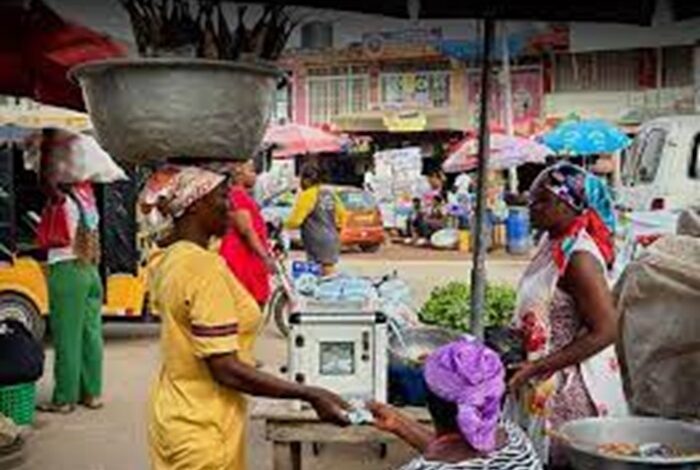
Women engaged in cross-border trade in Ghana are quietly yet powerfully shaping the economy. Their entrepreneurial spirit not only sustains their families but also strengthens local markets and contributes to national development.
These women, often overlooked in formal economic analyses, perform an indispensable economic role that demands recognition and support.
By generating income and circulating money locally, women traders create a multiplier effect. Their earnings flow into households, local businesses, and transport services, keeping money moving through the economy.
The benefits extend beyond commerce: families see improved welfare as earnings are spent on food, education, and healthcare, reducing dependence on social programmes and lifting entire communities.
Cross-border women traders also fill gaps in formal trade. Where formal supply chains are slow or absent, they supply essential goods, ensuring markets remain stocked and prices stable. Their work underpins both urban and rural commerce, preventing shortages and sustaining local economies.
Moreover, these women are job creators. Many hire porters, drivers, and small assistants, indirectly supporting additional livelihoods and fostering entrepreneurial opportunities in surrounding communities.
Even in informal sectors, their activity generates revenue for the state through customs and duties, which if formalised could significantly boost national income.
Despite their critical economic contributions, women in cross-border trade face numerous challenges, including restrictive border policies, lack of access to credit, and harassment at checkpoints.
Addressing these obstacles requires targeted government interventions: streamlined trade regulations, access to finance, and training in logistics and business management. Formal recognition of their work would not only protect them but also unlock further economic growth.
Supporting these women is not just a matter of equity; it is an economic imperative. Their earnings, employment creation, and market-stabilising activities directly enhance Ghana’s economy.
By investing in the growth of female cross-border traders, the nation invests in itself, generating wealth that benefits families, communities, and the broader economy.
Ghana cannot afford to ignore the power of women at its borders. Empower them, and the economy will grow alongside their success.



