Banks wrote Off GH¢1.05bn in bad debt over eight months
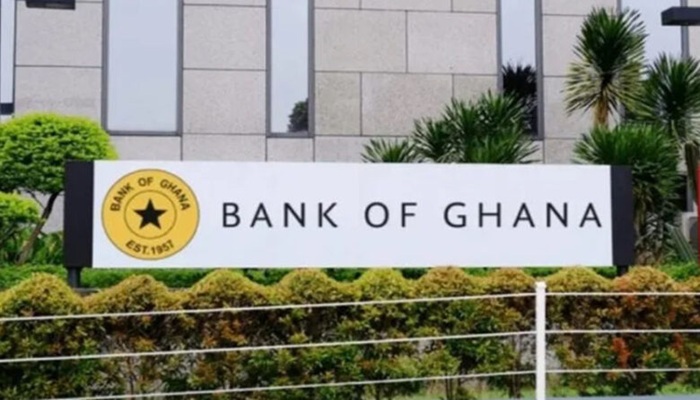
Ghanaian banks wrote off GHS1.05 billion in bad debts during the first eight months of 2025, marking a 46 per cent decline compared with the GHS1.95 billion recorded in the same period of 2024.
The write-offs, which included loan losses and depreciation, reflect a significant improvement in the banking sector’s asset quality.
Data from the Domestic Money Banks Income Statement for August 2025 showed that interest expenses rose to GHS10.11 billion, representing a 20.9 per cent increase over the previous year.
Despite the increase in interest costs, the overall health of the banking sector appears to be stabilising.
According to the Bank of Ghana, the industry’s non-performing loans (NPLs) decreased across all economic sectors, resulting in an improved NPL ratio.
The report revealed that the banking sector’s NPL ratio fell to 20.8 per cent in August 2025 from 24.3 per cent in August 2024. When adjusted for fully provisioned loan losses, the ratio improved from 10.6 per cent to 6.8 per cent over the same period.
The reduction in NPLs was driven by a combination of higher write-offs and the appreciation of the Ghana cedi, which contributed to a contraction of the NPL stock by 6.1 per cent to GHS19.8 billion, down from GHS21.1 billion a year earlier.
Meanwhile, total loans grew by 10 per cent year-on-year, further supporting the improved asset quality metrics.
The private sector, as the largest recipient of credit, continued to account for the majority of non-performing loans. Its share of NPLs increased slightly to 97.4 per cent, while the public sector’s share declined to 2.6 per cent.
The Bank of Ghana noted that although credit risk remains elevated, the overall improvement in asset quality reflects stronger balance sheet management by banks and an encouraging trend towards financial sector stability.