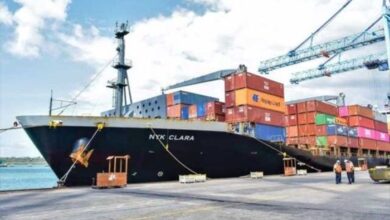
Transport, digital services lead job creation surge

By Praisebell Rosemond Larbi
Ghana’s services sector is fast emerging as the country’s most dynamic engine of job creation, with transport, logistics, digital services, and retail trade leading the charge amid government efforts to prioritise employment generation in 2026.
According to the Monthly Indicator of Economic Growth (MIEG), the services sector expanded by 6.4 per cent in July 2025, contributing 2.6 percentage points to overall growth of 4.5 per cent for the month.
This outpaced both agriculture, which contributed 1.7 percentage points, and industry, which added just 0.04 percentage points.
Transport and Logistics at the Forefront
Transport and logistics are benefiting from rising urbanisation, expanding trade volumes, and booming e-commerce activity.
Investment in fulfilment centres, delivery services, and warehousing infrastructure has strengthened supply chain efficiency and improved last-mile delivery across Ghana.
This growth is fuelling employment opportunities for drivers, warehouse operators, dispatch riders, and logistics coordinators, making the sector one of the most labour-intensive sources of urban jobs.
Digital Services Powering Skilled Employment
Alongside logistics, digital services continue to thrive, supported by mobile technology adoption, fintech innovation, and deeper internet penetration.
The sector is generating high-value employment in software development, data analytics, IT support, digital marketing, and telecommunications.
Retail Trade’s Expanding Workforce
Retail trade also remains a major contributor to employment, spanning traditional markets and fast-growing e-commerce platforms.
Thousands of workers are employed as sales personnel, inventory managers, and customer service representatives, reflecting how consumer spending continues to energise urban labour markets.
Policy Focus on Jobs and Stability
While industry recorded marginal growth of 0.1 per cent due to contractions in petroleum and gas activity, agriculture grew by 8 per cent, led by crop production and fisheries.
The government has reiterated that job creation will be a cornerstone of the 2026 Budget, even as it upholds fiscal discipline under the IMF programme.
“Our focus is to maintain fiscal stability while creating more jobs for Ghanaians. We want to ensure that the gains made under the IMF programme are protected and translated into real improvements in the lives of our citizens,” said Deputy Finance Minister Thomas Nyarko Ampem.