Krachi East records drop in typhoid cases
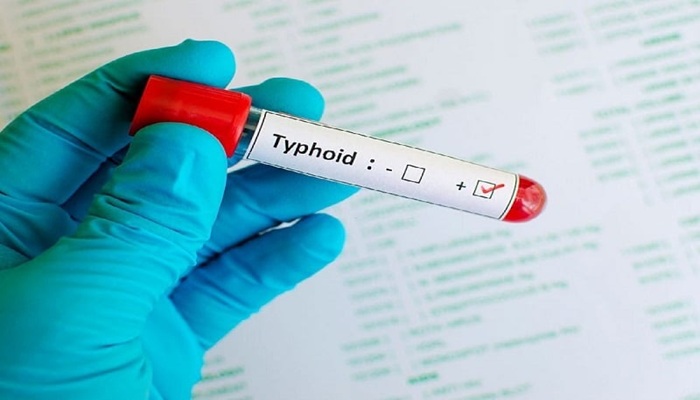
The Municipal Chief Executive (MCE) for Krachi East, Safo Nketia, has announced a significant decline in typhoid cases across the municipality, attributing the improvement to swift government interventions.
Mr Nketia said the area had made progress in containing the outbreak following the deployment of medical officers from Accra and Kumasi to support local health workers.
He disclosed that the municipality’s health centre has, for the first time, been assigned a medical doctor.
“With the typhoid, I think we want to appreciate the government for their quick response when the news broke out. As a result of the response, today we have a medical doctor for the health centre facility,” he said.
However, the MCE expressed concern over the lack of a hospital facility in Krachi East, noting that it remains the only municipality among the newly created regions without a hospital.
“The most important thing that is still troubling is to have a hospital in the municipality. Krachi East is the only one in all the newly created regions, and Dambai is the only regional capital without a hospital,” he bemoaned.
Mr Nketia appealed for the establishment of a water treatment plant to ensure access to safe drinking water, stressing that many residents rely on unsafe sources.
“We also do not have any proper water system for our people, despite having a very big lake here. We still call on corporate bodies and individuals to help us get a treated water system. Currently, people draw water from boreholes and wells, but these sources are not safe. A mechanised or treated system would greatly help our community,” he explained.
The MCE further disclosed the assembly, in collaboration with the regional sanitation task force, is carrying out community sensitisation and clean-up exercises to sustain hygiene improvements.
“We are clearing our gutters and running Operation Clean Your Frontage, among other initiatives. These are small steps that sustain the situation temporarily, but they cannot eradicate the problem. We still appeal for treated water, a hospital, and measures to further reduce the risk of disease,” he appealed.