GrowLead Foundation launched to empower women, girls nationwide
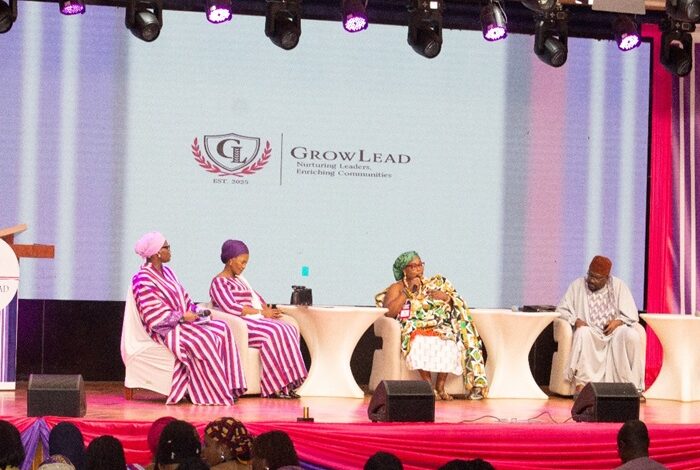
GrowLead Foundation, a Ghanaian non-profit organisation dedicated to empowering women and girls in the five Northern Regions and Zongo communities nationwide, has officially been launched in Accra.
The foundation aims to raise awareness among women about their social and political rights, encouraging active participation in civic and community life.
Speaking at the launch, Board Chairperson Hamdaratu Zakaria described the foundation as a beacon of hope for women to grow and thrive. She noted that GrowLead is committed to equipping women with resources, skills and opportunities to realise their full potential.
Miss Zakaria added that the foundation envisions a future where every girl dreams boldly and every woman leads confidently, free from barriers and discrimination. She stressed that with collective effort, women can overcome any obstacle placed in their path.
“We recognise that the road ahead will not be without challenges across our communities. Women face systemic issues such as limited access to education, mentorship and societal expectations that hinder growth. These obstacles are real but not insurmountable. Through collective action, determination and the power of our partnership, we can and will break these barriers,” she said.
Delivering the keynote address, gender activist and lecturer Dr Fatimatu N-Eyare Sulemanu emphasised the importance of purposeful leadership, stating that true leadership occurs when individuals serve with clear objectives and dedication.
Dr Sulemanu cited data from the 2021 Ghana Statistical Service report, noting that youth aged 15 to 35 make up one-third of Ghana’s population. She warned that without adequate employment opportunities for young people, especially girls, the country faces a looming crisis.
On the issue of women’s empowerment, Dr Sulemanu revealed troubling statistics showing that approximately 68 per cent of Ghanaian women are illiterate. She called for urgent action to close this knowledge gap through the use of digital tools.
“This knowledge gap is a power gap. A young girl in East Gonja who cannot read will struggle to compete with her peers in Accra or Kumasi. We cannot be complicit until every woman, boy, girl or man is empowered to learn,” she stated.
Dr Sulemanu urged women to unite and empower themselves through collaborative efforts that promote education, economic opportunity and social inclusion.