Analyst warns high tariffs threaten Ghana’s economy
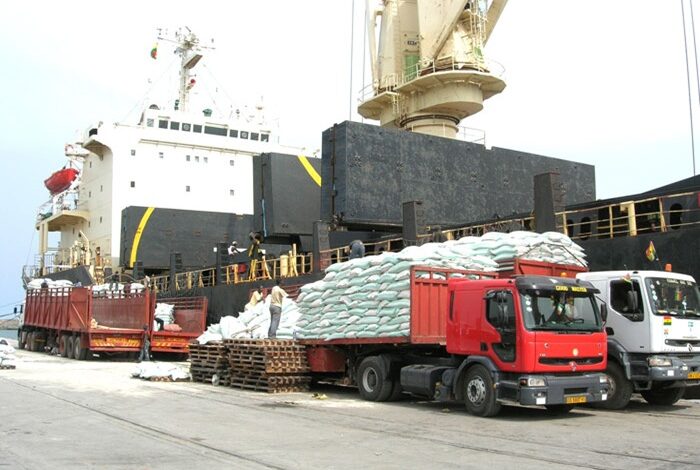
A Ghanaian academic, Dr Leonard Larbi, has raised concerns over what he describes as an “unsustainable tariff regime” that has placed a heavy burden on Ghana’s private sector. He has warned that failure to implement urgent reforms could push the economy towards stagnation and provoke international trade retaliation.
In his detailed policy analysis titled ‘Before the Fall: How Ghana’s Tariff Madness Could Bankrupt the Economy’, Dr Larbi has outlined how Ghana’s complex system of import duties, levies and administrative fees has restricted business growth, escalated inflation and eroded competitiveness.
“Entrepreneurs are not asking for handouts. They’re asking for oxygen,” he asserted.
According to Dr Larbi, businesses have been facing “a suffocating stack of charges at the port” alongside double-digit interest rates that have crippled borrowing and expansion prospects.
The resulting impact, he noted, has been higher consumer prices, reduced investment and rising unemployment.
While official import tariffs range between 10 and 20 per cent, Dr Larbi has revealed that numerous additional taxes, including a 15 per cent VAT, 2.5 per cent NHIL, 2.5 per cent GETFund levy, health recovery levy and various regional and administrative fees, have dramatically increased the real cost of imports.
“When combined, these charges can push the total tax burden to between 50 and 100 per cent of the landed value,” he explained, describing it as a “competitiveness killer” for small traders and manufacturers.
The report has also raised legal concerns over several levies that lack clear parliamentary authorisation, suggesting that some charges may violate Article 174 of Ghana’s 1992 Constitution, which requires taxes to be lawfully enacted.
“These charges amount to double taxation,” Dr Larbi contended, arguing that they distort prices and fuel inflation.
Beyond domestic challenges, the analysis has warned that Ghana’s opaque tariff and valuation system risks triggering sanctions under World Trade Organisation (WTO) rules. Retaliation from key trading partners could result in tariffs on Ghana’s critical exports, including cocoa, gold and agricultural products, with devastating economic consequences.
“A 20 to 30 per cent tariff on cocoa exports could wipe out hundreds of millions in revenue and destroy rural livelihoods. Ghana cannot afford a trade war it cannot win,” the report cautioned.
Although inflation has recently dropped to 9.4 per cent, lending rates have remained stubbornly high at between 20 and 30 per cent, further constraining business growth. Dr Larbi has urged that falling inflation must be matched by affordable credit to revive investment.
To avert an economic crisis, he has proposed a seven-point reform plan: cap all tariffs and duties between 5 and 10 per cent; eliminate non-statutory levies such as ICUMS and disinfection fees; ensure VAT, NHIL and GETFund levies are non-cascading and publish transparent customs valuation data.
Align interest rates with inflation; audit trade taxes for WTO compliance; and promote value-added exports to support the cedi.
Dr Larbi has also warned that without swift government action, Ghana faces a “ticking time bomb” of inflation, unemployment and potential economic default.