

Volta Lake tragedy exposes economic cost of child labour
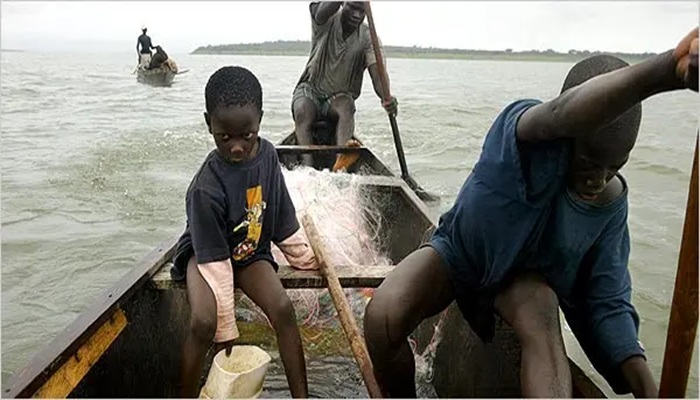
The recent boat disaster on the Volta Lake near Kete Krachi, which claimed the lives of 15 people including 11 children, is a devastating reminder of the economic and social inequalities that persist in the country’s lakeside communities.
Among the deceased was the boat operator himself, an 11-year-old boy. His death is not just a tragedy but a symbol of the systemic poverty that forces children into adult responsibilities long before they are ready.
In these communities, children are not only seen as dependents but as contributors to household income. Many are introduced to fishing and boat handling at a very young age, not out of choice but out of necessity. The informal economy that dominates life along the Volta Lake relies heavily on child labour, often unregulated and unprotected.
The absence of structured economic alternatives, coupled with weak enforcement of safety regulations, has created an environment where children are routinely exposed to life-threatening risks.
The economic implications of this tragedy are far-reaching. For the families affected, the loss of a child is not only an emotional blow but also a financial one. These children often support their households through fishing, ferrying goods or assisting in trade.
Their deaths mean a loss of income, a disruption of household labour dynamics and a deepening of poverty. In many cases, the burden shifts to other children or elderly family members, further straining already fragile livelihoods.
At the community level, such incidents erode trust in public institutions and discourage participation in formal economic activities. If inland water transport is perceived as unsafe, it undermines trade routes, reduces tourism potential and deters investment in lakeside infrastructure. The Volta Lake is a vital commercial artery, and its continued use depends on public confidence in its safety and regulation.
From a national perspective, the loss of these children represents a depletion of human capital. These were future workers, innovators and contributors to Ghana’s economy. Their potential to add value through education, entrepreneurship or skilled labour has been permanently extinguished. In a country striving to build a resilient and inclusive economy, the death of 11 children in a single incident is a setback that cannot be ignored.
The tragedy also raises serious questions about policy enforcement and social protection. Why was an 11-year-old operating a boat? Why were there no life jackets? Why are children still being used as labour in such high-risk environments? These are not just moral questions but economic ones. A nation that fails to protect its young cannot expect to build a sustainable future.
Addressing this issue requires more than sympathy. It demands targeted investment in lakeside economies, formalisation of inland water transport, enforcement of child labour laws and expansion of social protection programmes. It also calls for a cultural shift in how communities perceive the role of children in economic life. Education must be prioritised, and families must be supported so that children are not forced to choose between survival and safety.
The Volta Lake tragedy is not an isolated incident. It is part of a pattern of neglect, poverty and regulatory failure that continues to cost lives and undermine development.
If Ghana is serious about its economic transformation agenda, it must begin by safeguarding its most vulnerable citizens. The children who died were not just victims of an accident. They were casualties of a system that failed to protect them.
Their deaths must not be in vain. They must serve as a turning point in how we approach child labour, rural poverty and economic inclusion. The cost of inaction is not just measured in lives lost but in futures forfeited. Ghana cannot afford to lose another generation to the waters of poverty and neglect.



