BoG has injected over US$7.4bn into forex market since 2022 – IMF
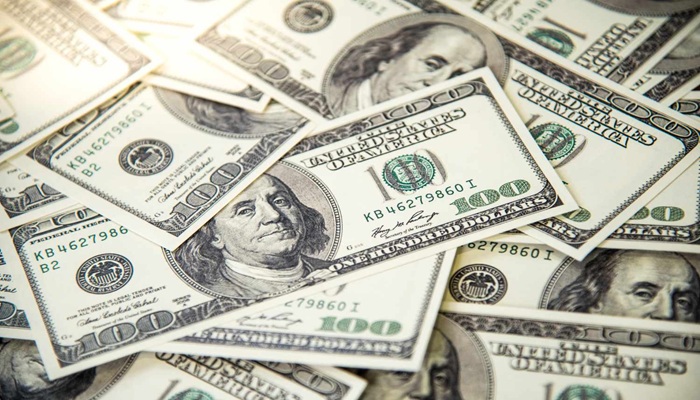
The Bank of Ghana (BoG) has injected over USD7.4 billion into the foreign exchange market since 2022 in a sustained effort to stabilise the cedi amid lingering global and domestic pressures, according to data from the International Monetary Fund (IMF).
The data reveal that the central bank intervened with USD1.9 billion during the 2022 economic crisis, the height of Ghana’s fiscal turmoil, before easing to USD1.1 billion in 2023.
The Bank then ramped up support with a massive USD3 billion injection in 2024, followed by USD1.4 billion in just the first quarter of 2025.
Earlier this month, the BoG announced plans to inject an additional USD1.15 billion under its Domestic Gold Purchase Programme (DGPP) to sustain exchange rate stability and rebuild confidence in the local currency.
The funds will be distributed through twice-weekly spot auctions, open to all licensed banks.
If fully implemented, total forex support in 2025 alone could exceed USD2.5 billion, making it one of the most aggressive currency rescue operations in the country’s recent history.
Following the announcement, the cedi appreciated by about 2.5 per cent.
Dollar sales by the BoG have surged dramatically, with interventions in the past two years accounting for more than 60 per cent of total injections since 2022. This policy has underpinned one of the strongest runs for the Ghana cedi in recent years.
According to the World Bank’s 2025 Africa Pulse Report, the cedi was Africa’s best-performing currency against the US dollar in the first eight months of 2025, appreciating by over 20 per cent year-to-date.
The strong performance has been driven by BoG’s aggressive forex interventions, record gold and cocoa export earnings, and robust remittance inflows.
The data indicate that with this latest round of support, total forex interventions could reach USD8.6 billion by year-end. The BoG attributes this to improved export receipts and resilient remittance flows.
Gold has been pivotal to Ghana’s external strength, with prices recently hitting USD4,000 per ounce, the highest on record. This has bolstered Ghana’s capacity to generate foreign exchange without overstraining reserves.
Ghana’s international reserves have now risen to USD10.7 billion, covering 4.5 months of imports, while the IMF notes that reserve accumulation continues to exceed programme targets.