IMF backs Ghana’s fiscal discipline beyond $3bn programme
The International Monetary Fund (IMF) has expressed strong confidence in Ghana’s commitment to maintain fiscal discipline and macroeconomic stability even after the country exits its current USD3 billion Extended Credit Facility (ECF) programme in May 2026.
According to the Fund, Ghana’s recent reforms have laid a solid foundation for long-term fiscal sustainability, improved governance, and strengthened investor confidence.
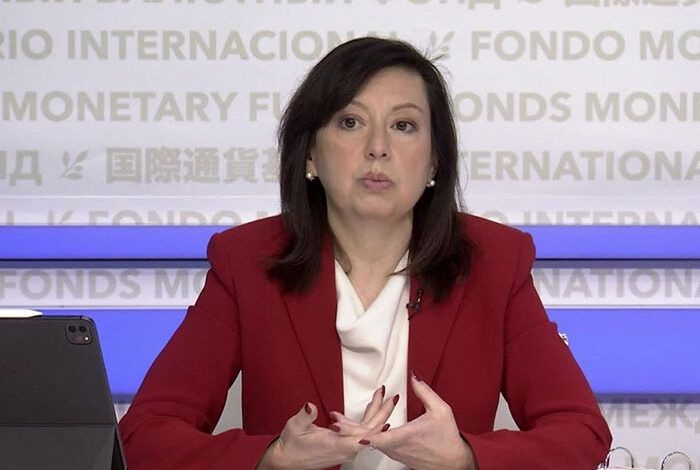
Addressing a press briefing in Washington, D.C., the IMF’s Director of Communications, Julie Kozack, said several policy measures introduced under the ongoing programme are deliberately structured to outlast its duration.
“A revamped fiscal responsibility framework, the establishment of an independent fiscal council, and improvement in public financial management, all aimed at improving and supporting the efficiency of public spending, are key elements of Ghana’s reform strategy,” she noted.
Ms Kozack explained that these reforms are anchored in explicit and binding fiscal rules designed to guide budget management well beyond 2026.
“The Fiscal Responsibility Framework includes a primary balance rule that requires an annual primary fiscal surplus of at least 1.5 per cent of GDP and a public debt ceiling of 45 per cent of GDP,” she added.
She emphasised that such measures are vital to ensuring that fiscal consolidation remains durable, particularly in a post-programme environment where spending pressures may resurface.
“This fiscal responsibility framework provides clear guidance for policymakers as they seek to entrench fiscal discipline in Ghana,” Ms Kozack stated.
The Ghanaian government has, in turn, reaffirmed its commitment to sustaining these fiscal anchors as part of efforts to assure both domestic and international stakeholders that the discipline achieved under the IMF programme will not be reversed once the arrangement concludes.
Meanwhile, an IMF mission team led by Ruben Atoyan has commenced the fifth review of Ghana’s performance under the programme in Accra.
The review mission, which spans two weeks, will assess progress in key areas including revenue mobilisation, expenditure control, and debt management.
Officials from the Ministry of Finance and the Bank of Ghana are expected to meet with the team to discuss macroeconomic targets, growth projections, and the next phase of structural reforms.