Ghana Water loses 52% revenue to illegal connections, unpaid bills
Ghana Water Limited (GWL) has disclosed that it is losing more than half of its revenue to both technical and commercial challenges, a situation that continues to weaken the utility’s capacity to deliver reliable water services.
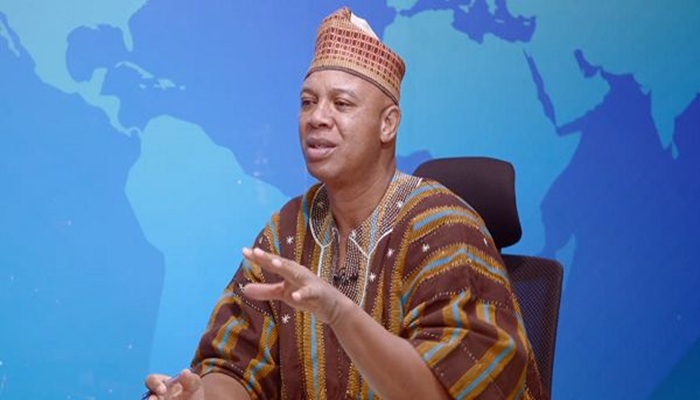
Acting Managing Director of GWL, Adam Mutawakilu, revealed that as of December 2024, the company had recorded losses of about 52 per cent.
He explained that commercial losses alone accounted for roughly 80 per cent of the total figure, making it the most significant contributor to the company’s financial difficulties.
Mr Mutawakilu was speaking at a stakeholder meeting in Accra, jointly organised by Ghana Water Limited and the World Bank, to deliberate on the persistent challenges confronting the utility and to explore practical solutions.
He noted that illegal connections, meter tampering and non-payment of bills remain the biggest drains on the company’s finances.
These practices, he said, not only deprive GWL of critical revenue but also compromise service delivery and infrastructure investments required to expand access to safe and reliable water supply.
Technical challenges, including leakages in transmission and distribution networks, also contribute substantially to the losses.
According to Mr Mutawakilu, the situation has become unsustainable and requires urgent intervention through both policy reforms and stronger enforcement mechanisms.
The meeting brought together stakeholders from government, the donor community and consumer advocacy groups.
Discussions focused on the need to tighten regulatory enforcement, improve metering systems, invest in modern infrastructure and build stronger partnerships with communities to curb water theft and ensure timely payment of bills.
Mr Mutawakilu emphasised that resolving these losses is central to GWL’s sustainability and its mandate to provide affordable, safe water to households and businesses across the country. He stressed that collaborative efforts between government, development partners and the public would be critical in reversing the trend and securing the financial health of the utility.