

New HIV prevention jab to cost just $40 a year
By Samuella Antwi
A groundbreaking agreement has paved the way for millions in low- and middle-income countries to access a new HIV prevention drug at a fraction of its original cost, raising hopes of a decisive step toward ending the global HIV/AIDS epidemic.
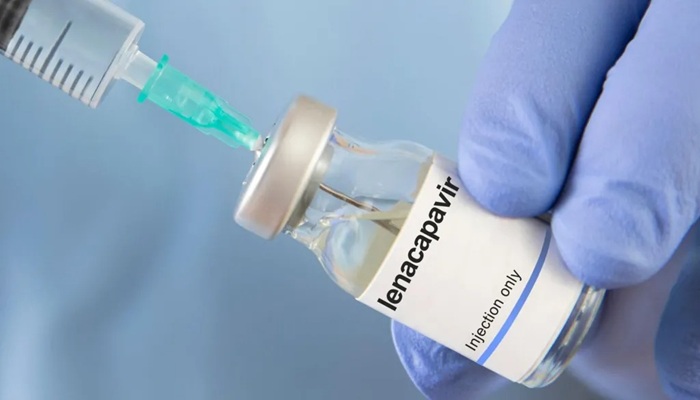
The injectable drug, Lenacapavir, which prevents the virus from replicating inside cells, is currently priced at around USD28,000 per person annually.
Under a new deal announced on Wednesday, the price will fall to just USD40 per year, about 0.1 per cent of the original cost, with rollout in 120 countries expected from 2027.
The agreement was brokered by the Clinton Health Access Initiative in partnership with the Bill & Melinda Gates Foundation, South Africa’s Wits RHI and other global health groups.
“For many low- and middle-income countries, affordable access to HIV prevention is not a luxury, it is a necessity,” said Professor Saiqa Mullick of Wits RHI, adding that Lenacapavir has the potential to transform prevention, especially for young people and underserved communities.
Lenacapavir is administered twice yearly, offering six months of protection per injection. It is expected to replace PrEP (pre-exposure prophylaxis) pills, which require daily use and face barriers including stigma, adherence challenges and inconsistent availability.
Though PrEP also costs about USD40 annually, only 18 per cent of people who could benefit currently have access, according to the Gates Foundation.
The World Health Organisation endorsed Lenacapavir for prevention in July, following clinical trials that showed 100 per cent success in preventing HIV infection.
Regulatory approval for the generic version is pending, with hopes it could be available within 18 months.
Health experts say the drug could particularly benefit vulnerable populations such as adolescent girls and young women, LGBT communities, sex workers and people who use drugs.
One study suggests that reaching just 4 per cent of the population with the injectable could prevent up to 20 per cent of new HIV infections.
The breakthrough comes amid a turbulent year for global health, following foreign aid cuts to HIV programmes under the US government’s USAID.
Globally, over 40 million people are living with HIV, and despite major progress since 2000, last year still saw 1.3 million new infections and more than 600,000 AIDS-related deaths.
South Africa, home to nearly eight million HIV cases, will be among the first countries to access the new treatment.
In a statement, South Africa’s Department of Health welcomed the development, affirming it supports any efforts to make life-saving treatment like Lenacapavir available and accessible at an affordable rate.



