Gov’t orders Buffer Stock Company to buy surplus grains ahead of bumper harvest
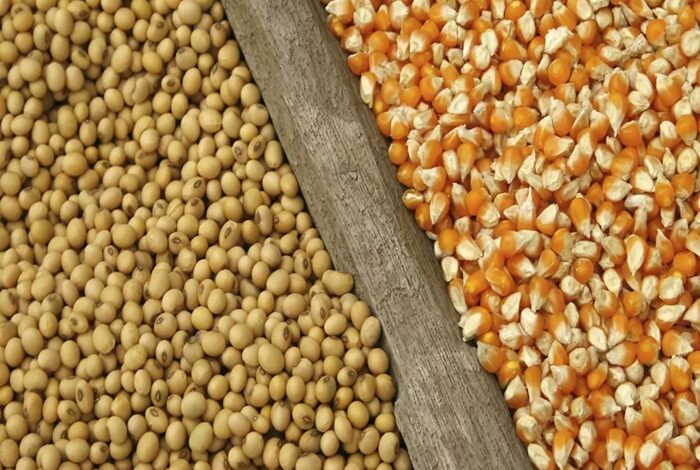
The government has instructed the National Food Buffer Stock Company (NAFCO) to purchase surplus grains from farmers nationwide for storage, in anticipation of a bumper harvest in 2025.
According to the Ministry of Food and Agriculture (MoFA), the move is aimed at averting a potential market glut triggered by exceptionally high yields this season and unsold carry-over stocks from the 2024 harvest.
In a statement, the Ministry highlighted that this is the first time since NAFCO’s establishment that such significant resources have been allocated to enable large-scale grain purchases for strategic reserves.
Officials explained that the intervention will help reduce post-harvest losses while ensuring the country maintains adequate food stocks to guard against future shortages and emergencies.
MoFA assured farmers of a ready market for their produce, urging them to remain calm as NAFCO enters the market to stabilise prices.
“The general public is assured that MoFA, working with all relevant agencies and stakeholders, is fully engaged in ensuring that every grain produced by Ghanaian farmers finds a sustainable and profitable market,” the Ministry said.
The policy comes amid warnings from the Chamber of Agribusiness Ghana (CAG) that the grain sector is on the brink of crisis, with more than 100,000 metric tonnes of maize and rice from the 2024 harvest still unsold.
CAG has blamed the situation on cheap imports and the smuggling of substandard grains, which it says have trapped farmers in debt, forced many to sell below production costs and threatened the survival of local processors.
“With the 2025 harvest season fast approaching, the problem could intensify, undermining livelihoods, collapsing mills and placing national food security at risk,” the Chamber warned.
It further alleged collusion between smugglers and corrupt border officials, enabling rice and maize to enter Ghana without paying duties or meeting quality standards.
This illicit trade, CAG said, deprives the government of tax revenue and weakens the domestic value chain, eroding the nation’s food sovereignty and increasing dependence on imports.