Health Minister pushes for higher standards in traditional medicine
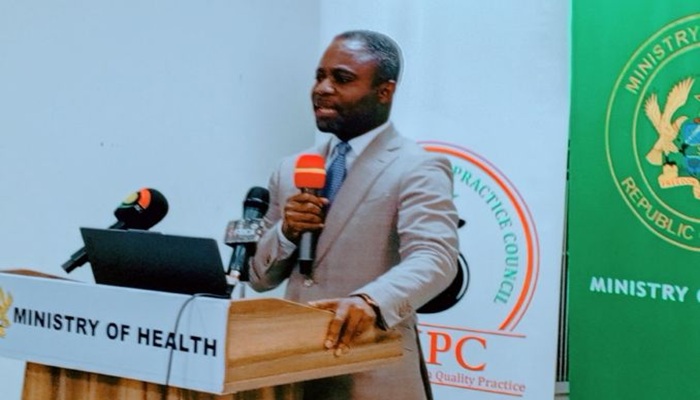
The Minister for Health Kwabena Mintah Akandoh has called on members of the Traditional Medicine Practice Council (TMPC) to strictly adhere to professional standards to ensure the safety, efficacy and credibility of Ghana’s traditional medicine sector.
Addressing a stakeholder meeting that brought together TMPC leaders, practitioner associations and allied groups, the Minister said that although herbal and traditional remedies remain a vital alternative for many Ghanaians, the sector’s growth continues to be hampered by inconsistent quality and dosage practices.
“One of the reasons traditional medicines have become an issue has been the lack of standards. You buy a herbal product and you do not know the quantity to take. Sometimes the medicine is said to cure many ailments and diseases,” Mr Akandoh noted.
He urged practitioners to adopt modern production technologies and hygiene protocols, and to invest in research and partnerships, pointing to successful models in China and India.
“Your sector can grow the economy and play a significant role in the 24-hour economic agenda. Other countries are doing well on the backdrop of herbal medicines. We signed an MoU with India recently so you can follow up to see how they can help your members,” the Health Minister indicated.
Mr Akandoh, who is also the Member of Parliament for Juaboso, encouraged collaboration among stakeholders to secure the best technology, expertise and machinery for advanced healthcare delivery, stressing that Ghana need not reinvent the wheel but should leverage proven international approaches.
TMPC Governing Council Chairman Samuel Ato Duncan highlighted the sector’s contributions to job creation, rural development, export earnings and cultural heritage, and its potential to make Ghana a regional hub for integrated health and wellness tourism.
“We must ensure quality assurance, professional practices, protection of biodiversity and evidence-based therapies,” Dr Duncan stated.
He noted that the Council’s licensing protocols, Codes of Ethics and curriculum reviews for traditional medicine training institutions are designed to meet international best practices and integrate modern science.
Plans include a nationwide registration audit to update practitioner databases and weed out unqualified operators, as well as an annual Traditional Medicine Research Symposium in partnership with leading universities to validate indigenous knowledge.
Representatives from key associations including GHAFTRAM, Herbalists, Traditional Birth Attendants, Complementary and Alternative Medicine practitioners and Naturopaths joined Ministry of Health officials at the meeting, underscoring broad industry support for higher standards and innovation to drive the sector’s next phase of growth.