Cedi among world’s top performers despite remittance slowdown
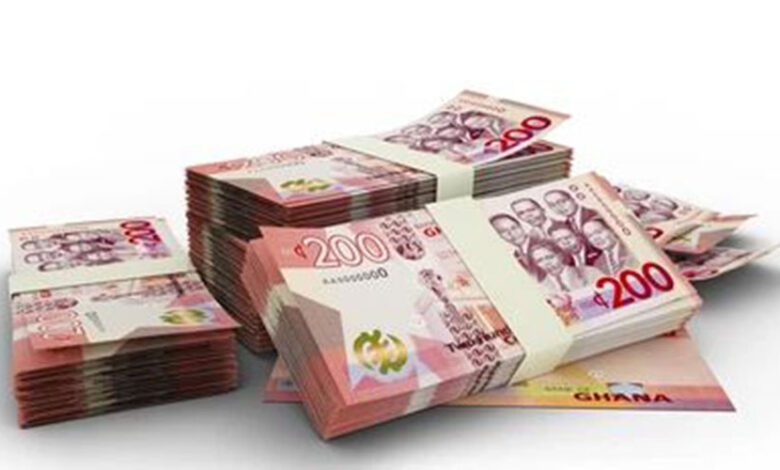
The Governor of the Bank of Ghana (BoG), Dr Johnson Asiama, has reassured Ghanaians that the cedi remains one of the best-performing currencies globally, despite a recent slowdown in remittance inflows and the usual seasonal rise in foreign currency demand.
Opening the Monetary Policy Committee (MPC) meeting on Monday, 15 September 2025, Dr Asiama acknowledged that remittances, a critical source of foreign exchange for many households, have not been as robust as in previous periods.
He also pointed to temporary trade-related factors creating short-term pressure on the currency market.
“Despite the seasonal pressures and a slowdown in remittance inflows in recent weeks, the cedi remains one of the strongest currencies globally. Year-to-date, it has appreciated by about 21 per cent as of 12 September.
“The cedi is now performing alongside other high-ranking currencies such as the Russian ruble, Swedish krona, Norwegian krone, Swiss franc, euro, and the British pound,” Dr Asiama stated.
Policy and Reserves Drive Strength
The Governor credited a mix of sound monetary policy, improved foreign exchange reserves, and strong regulatory oversight for the cedi’s resilience.
He explained that the central bank’s enforcement of foreign-exchange rules, coupled with prudent macroeconomic management, has strengthened investor confidence and kept speculative activity in check.
Analysts say the currency’s solid performance is already yielding real economic benefits: a lower cost of imported goods, easing inflationary pressures, and reduced operating costs for businesses that rely heavily on foreign inputs.
Vigilance Still Key
However, experts caution that sustaining this momentum depends on stable export earnings, consistent remittance flows, and a balanced approach to commodity dependence.
A sudden drop in cocoa, gold, or oil revenues, they warn, could expose the cedi to external shocks.
Dr Asiama urged businesses and the public to maintain confidence in the currency, underscoring that public trust is a key pillar of stability.
He reiterated that the BoG remains ready to intervene when necessary to preserve the gains made so far.
“Efforts by the Bank to enforce foreign-exchange rules, along with prudent macroeconomic management, are helping to sustain investor confidence,” Dr Asiama affirmed.
With the cedi already appreciating over 21 per cent year-to-date, Ghana’s currency continues to outperform many of its global peers, reinforcing the central bank’s message that current pressures are temporary and manageable rather than a sign of structural weakness.