IMF endorses BoG’s new forex rules to protect cedi
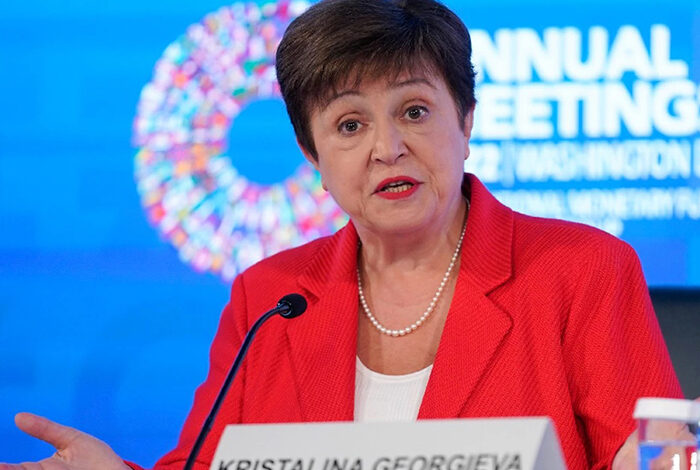
The International Monetary Fund (IMF) has thrown its support behind the Bank of Ghana’s (BoG) newly introduced foreign exchange (FX) regulations, describing them as essential in protecting the cedi’s role as the sole legal tender while strengthening financial integrity.
At a press briefing in Washington, the IMF’s Communications Director, Julie Kozack, said the directives are intended to tighten controls on foreign currency transactions, promote the use of formal remittance and trade channels, and enhance transparency in Ghana’s FX market.
“The Bank of Ghana’s latest directives are intended to reinforce the role of the cedi as the sole legal tender in the country. They are meant to tighten controls on foreign currency transactions and to promote formal channels for the provision of remittances and trade,” she stated.
She added: “These are steps toward broader financial integrity, compliance with anti-money laundering rules, and broader transparency in the FX market.”
The measures have drawn mixed reactions, particularly from sections of the business community concerned about disruptions to trade and pricing.
However, analysts believe the central bank’s approach could ease pressure on the exchange rate by discouraging dollarisation, a practice that has historically undermined confidence in the cedi.
In the country’s trading environment, suppliers often insist on dollar payments, fuelling unpredictable price increases for goods and services. By enforcing cedi-denominated transactions, policymakers hope to create greater stability in local pricing.
The new framework also compels importers and exporters to route transactions through formal banking channels.
This, experts argue, will reduce leakages in the system, improve access to foreign exchange, and ensure a fairer business environment for compliant firms.
Beyond stabilising the currency, the directives are also designed to plug loopholes exploited for illicit flows and money laundering. By limiting backdoor FX dealings, the central bank aims to align Ghana’s financial system with international standards while bolstering investor confidence.
The IMF’s endorsement provides strong international backing for the BoG’s policy direction, particularly as the country continues to implement reforms under its bailout programme.
The central challenge, however, remains enforcement. Without rigorous application, experts warn, the rules risk being undermined.
But if applied consistently, the measures could help restore trust in the cedi, reduce speculation, and strengthen Ghana’s fight against financial crimes.