Northern poverty threatens national progress
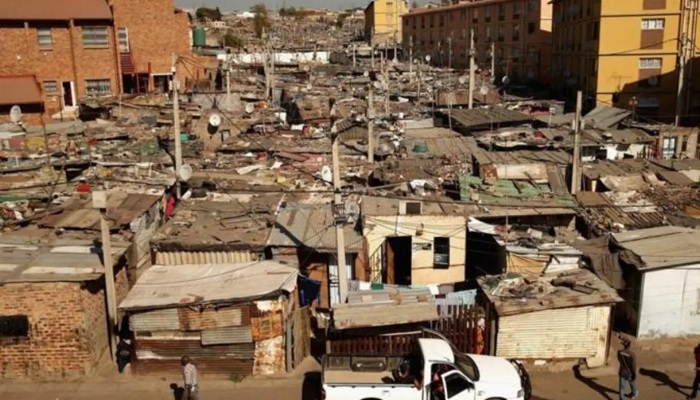
The recent baseline study by the Ghana Centre for Democratic Development (CDD-Ghana), in partnership with CARO Ghana, has exposed a troubling reality: seven out of every ten people in Northern Ghana lack access to essential productive assets such as land, farming tools and livestock. This is not just a statistic. It is a national warning.
Northern Ghana has long suffered from structural neglect. The region’s higher poverty rate is not simply due to geography but stems from decades of underinvestment, poor infrastructure and limited access to education and finance. While the south enjoys relatively better economic opportunities, the north continues to lag behind.
The CDD-Ghana study, which covered 15 districts across the Upper East, Upper West and North East regions, found that only 30 per cent of communities have the resources needed to sustain their livelihoods. Without productive assets, farming remains subsistence-based, and households are unable to build resilience against shocks such as drought, illness or economic downturns.
For the people of northern Ghana, this means fewer jobs, lower incomes and limited prospects. Young people are migrating to urban centres in search of work, often ending up in informal and unstable employment. This rural-urban drift drains the north of its workforce and places pressure on cities already struggling with unemployment and overcrowding.
The implications for the country’s economy are serious. A country cannot achieve inclusive growth when entire regions are economically sidelined. Northern Ghana holds vast potential in agriculture, renewable energy and ecotourism. But without targeted investment in assets and skills, this potential will remain untapped.
The lack of productive assets also threatens social cohesion. Families forced into unstable livelihoods are more vulnerable to exploitation, and communities facing economic hardship may become breeding grounds for unrest. Addressing these vulnerabilities is not just about development. It is about national stability.
CDD-Ghana’s findings must be treated as a call to action. Government, development partners and the private sector must work together to deliver practical solutions. This includes land reform, access to credit, training in financial literacy and marketing, and infrastructure that connects producers to markets.
Ghana’s future depends on unlocking the full potential of all its regions. Bridging the asset gap in northern Ghana is not an act of charity. It is an investment in national resilience. If we are serious about building a strong, inclusive and prosperous economy, then the north must be placed at the centre of our development agenda.