

One Dollar Equals GH¢12.70 at Forex Bureaus
By Praisebell Rosemond Larbi
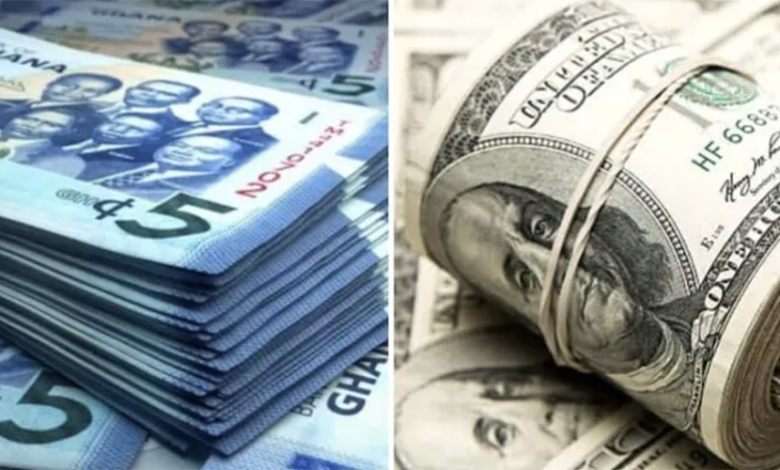
The Ghana cedi weakened sharply across both interbank and retail forex markets last week, as strong corporate demand for dollars met limited foreign exchange inflows, amplifying pressure on the local currency.
According to market data, the cedi depreciated by 6.58% against the US dollar, 6.20% against the British pound, and 6.51% against the euro on the interbank market. It closed at GH¢11.40 to the dollar, GH¢15.40 to the pound, and GH¢13.34 to the euro.
The retail market showed a similar performance. The local currency lost 5.80% against the dollar, 5.44% against the pound sterling, and 4.53% against the euro, settling at mid-rates of GH¢12.50 per US dollar, GH¢16.55 per pound, and GH¢13.35 per euro.
The sharp depreciation trimmed earlier gains, with the cedi’s month-on-month performance showing a 7.89% fall against the dollar. Year-to-date appreciation, which stood at 40% in July 2025, has now moderated to 28.95%.
Market watchers attribute the weakness to stronger import-driven demand and reduced forex liquidity. “Mirroring our expectation, strong corporate demand pressures amid thin FX support and a resilient US dollar intensified nominal depreciations of the cedi,” Databank Research stated in its weekly market update. It further noted that tighter regulatory conditions and weaker forex flows had compounded the decline.
Looking ahead, Databank expects the cedi to remain under pressure as importers increase bids ahead of the festive season. “BoG’s tighter measures to curb FX leakages may take time to filter through, with any potential rebound by fortnight end contingent on stronger FX support, expectations of a Fed rate cut, and the US$4 billion inflows to support cocoa purchases,” it added.
In recent months, the Bank of Ghana has intensified interventions to stabilize the currency, including deploying gold reserves under the Gold-for-Oil program, boosting net international reserves, and tightening forex rules for commercial banks. Despite these efforts, analysts caution that sustained stability will depend heavily on external inflows and fiscal discipline.
The cedi opened trading this week largely stable at GH¢12.70 to the dollar at forex bureaus, with a mid-rate of GH¢12.50, though pressure is expected to persist in the near term.



