BoG sets up digital credit services wing
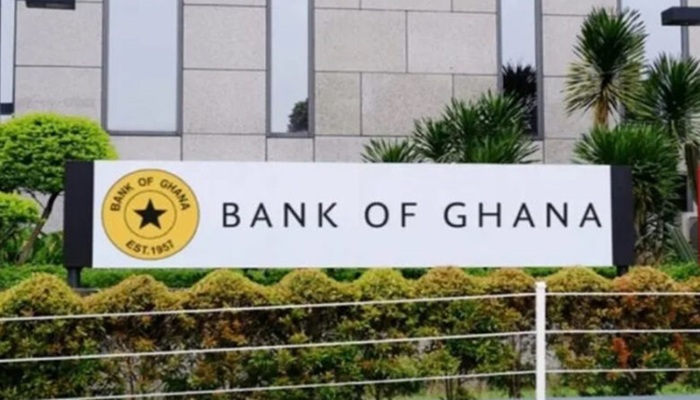
The Bank of Ghana (BoG) has taken a major step towards modernising the country’s financial ecosystem with the creation of a new Digital Credit Services wing under its Non-Bank Financial Institutions (NBFI) supervision framework.
In a statement issued on 29 August 2025, the central bank explained that the move is designed to broaden access to credit, enhance financial inclusion and regulate emerging players in Ghana’s fast-evolving digital finance space.
“The Bank of Ghana hereby designates a new service, DIGITAL CREDIT SERVICES, as a Non-Bank Financial Service under the First Schedule of Act 774,” the statement noted.
Regulated Expansion of Digital Credit
The BoG clarified that the designation does not confer automatic authorisation or licensing on all existing operators in the digital credit space. Instead, the central bank emphasised that providers must adhere to new licensing and regulatory requirements that will be issued in due course.
“The Bank of Ghana will in due course issue a directive to lay out the licensing requirements for the provision of Digital Credit Services,” the statement added.
This framework is expected to bring structure to a sector that has seen rapid growth in recent years, driven by the rise of mobile money, fintech lending apps and alternative credit providers.
While these innovations have increased access to short-term financing for many individuals and small businesses, they have also raised concerns about consumer protection, data privacy and predatory lending practices.
Financial Inclusion and Ecosystem Growth
Analysts say the BoG’s intervention is timely, as digital credit is becoming a major driver of financial access, particularly for the unbanked and underbanked population.
The central bank’s oversight will not only ensure safer lending practices but also support the integration of digital credit into the broader financial ecosystem.
Industry players are expected to welcome the development, as formal recognition of digital credit services could unlock new opportunities for fintech collaborations, cross-sector innovation and investment inflows into Ghana’s digital economy.
By setting up a dedicated regulatory structure, the BoG signals its commitment to balancing innovation with financial stability, ensuring that digital credit solutions contribute meaningfully to economic growth without exposing consumers to undue risks.
The forthcoming directive on licensing requirements is anticipated to set the tone for responsible lending, risk management and compliance standards across the sector.